Baanu
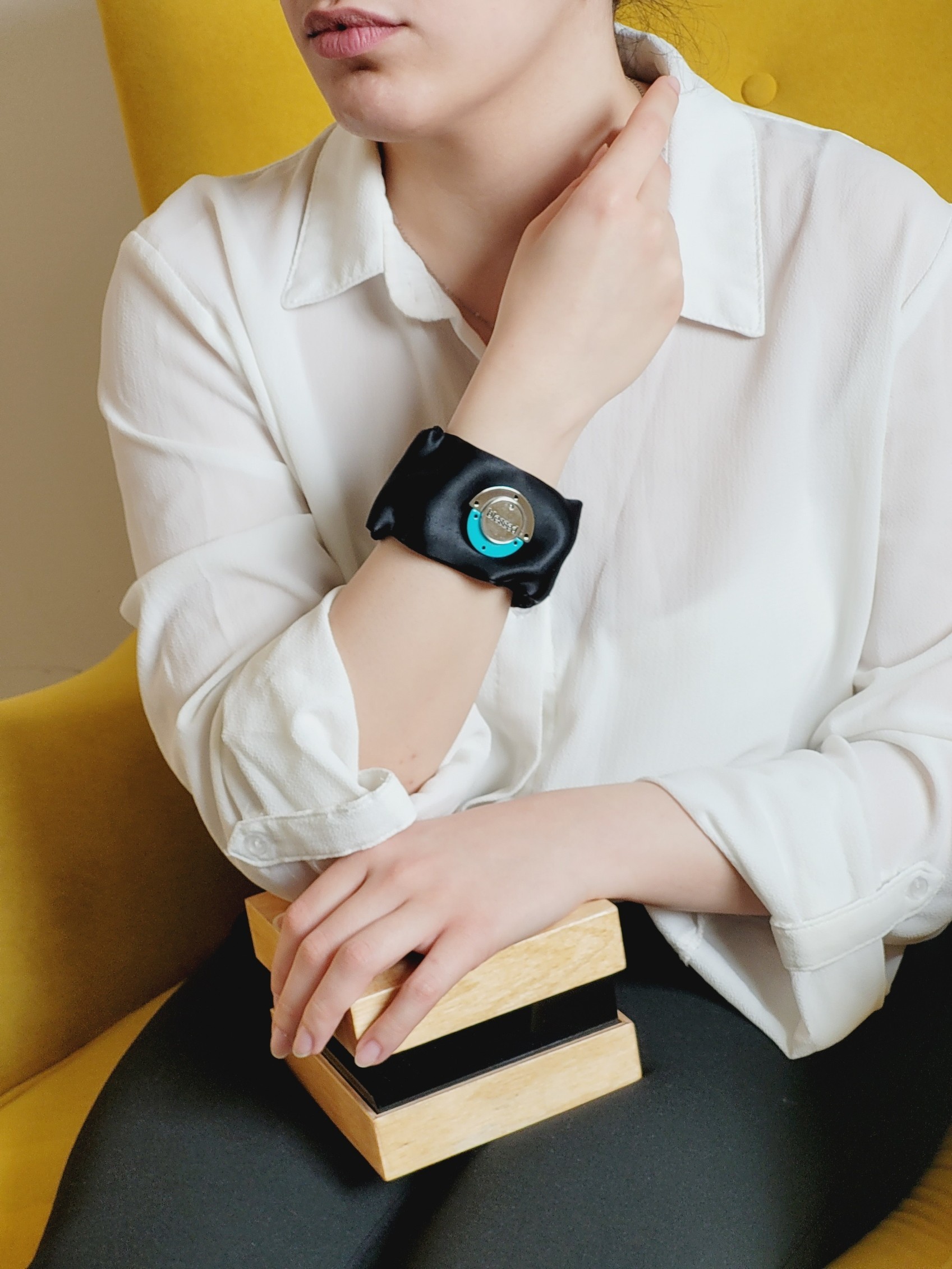
Through my research into women's health, I uncovered a healthcare system that fails 75% of women over 40 during perimenopause and menopause. Existing solutions focused on symptom relief but overlooked dignity. Across over 20 interviews, women described the same hidden crisis: hot flashes strike without warning, in meetings, in front of clients, in the middle of hosting, and there was nothing dignified to reach for.
of women experience hot flashes during menopause
didn't know medications or cooling tools existed
"Women were designing their lives around their symptoms instead of finding solutions that worked for them."
The real problem was never just the heat, it was loss of control. Rather than step away, women endured hot flashes quietly, in meetings and family gatherings, because nothing let them manage symptoms without explanation. That gap between medical treatment and workplace dignity became the design brief.
Three concepts were explored.
A wrist-worn cooling system won.
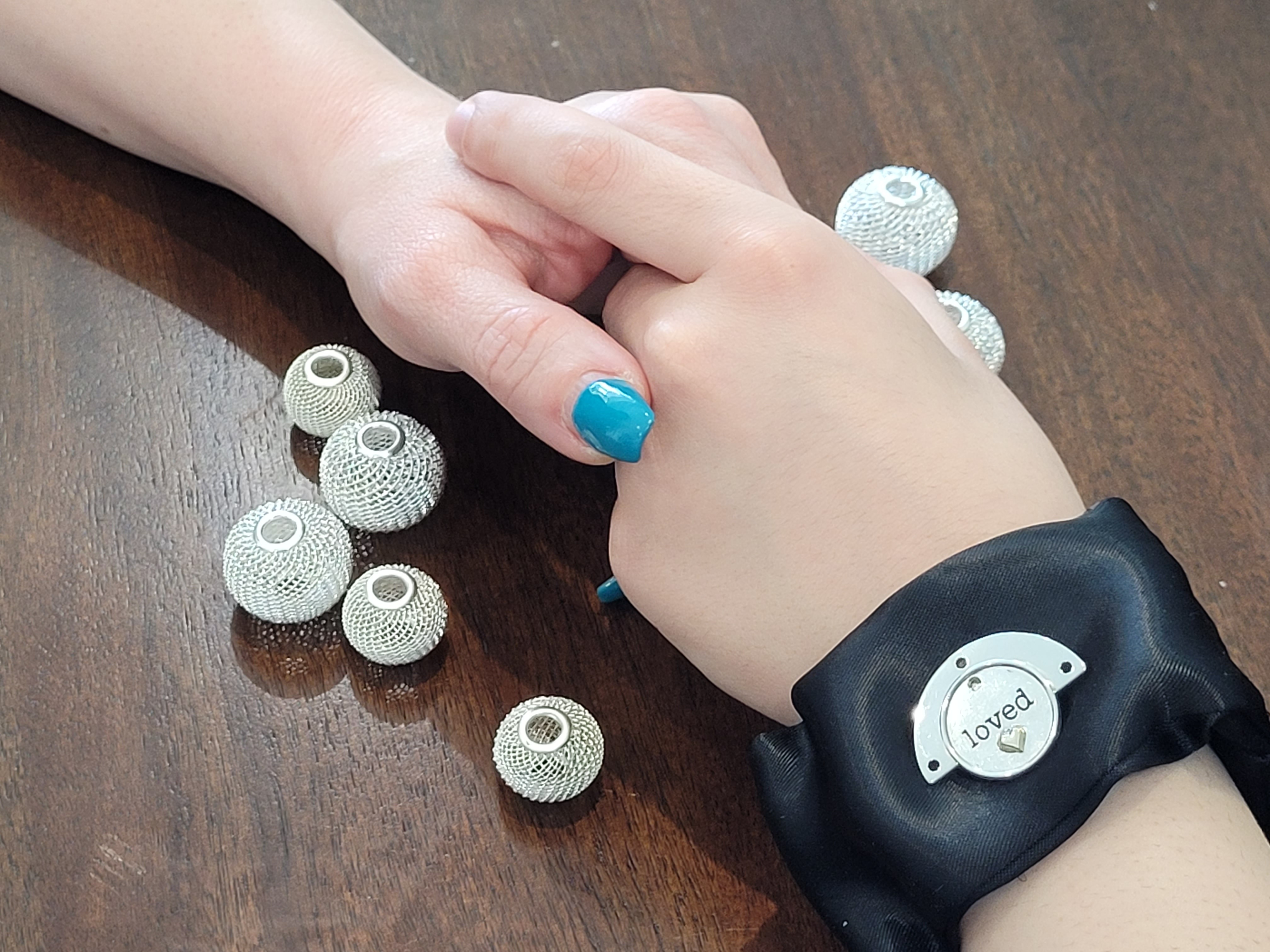
Medical-Grade Hydrogel Bracelet + Cooling System
A hydrogel bracelet worn at the pulse point cools within 30 seconds, paired with a portable cylinder and bamboo cooling box for all-day discreet swaps. Three interchangeable charms, "Blessed," "Adored," "Loved", turn a medical device into jewelry.
Why the wrist?
Pulse points cool fastest, and a bracelet reads as jewelry, not a medical device, in professional settings.
What was rejected
A self-regulating dress and an AI companion app, both failed to deliver relief in the actual moment of a hot flash.
The cost
$28–30 total system, an accessible alternative to $200+ wearable tech.

Featured in Dezeen Magazine
Covered as an example of innovation meeting human need.

Exhibited at GradEx 110
OCAD University's graduate exhibition for emerging design talent.
Path to market: a B2B2C partnership with femography by MAS Holdings pairs manufacturing and retail distribution with brand and story, built to scale without sacrificing accessible pricing.
"If Baanu is in every drugstore, women won't have to choose between dignity and relief."
The brief was a cooling bracelet. The real brief was: make menopause something a woman can simply live through, without apology, without concealment. That's where empathy became a design brief.
Thanks for reading. Here's more of my work.
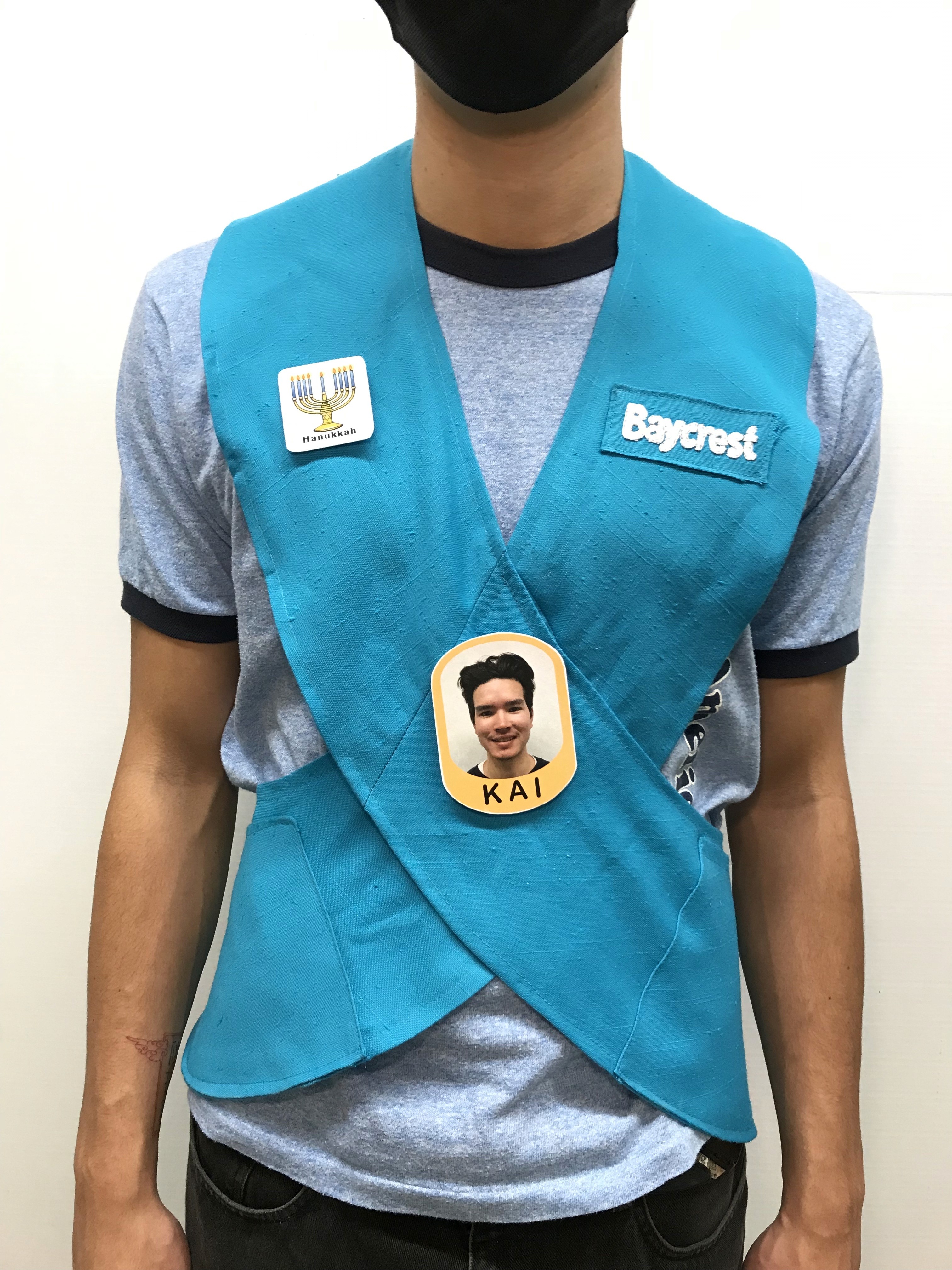
A wearable that closes the gap between dementia patients and their caregivers.
Designed for dignity, presence, and human connection in the most vulnerable moments of life, this caregiver's vest creates common ground between people living with dementia and those who care for them.
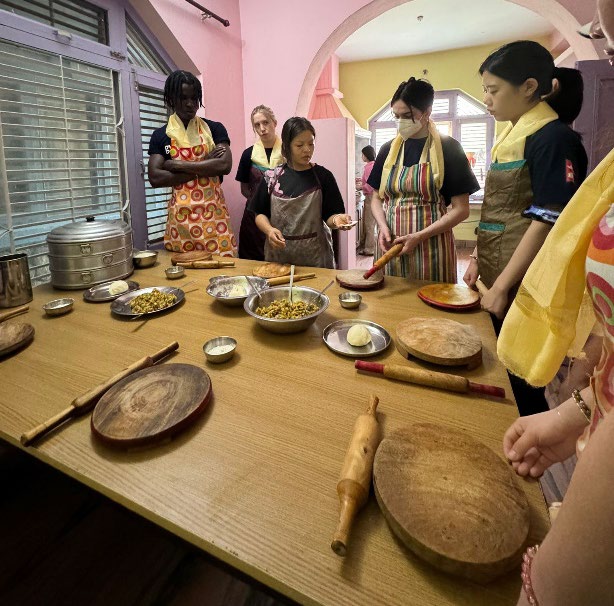
Women once silenced by trafficking now give travellers a taste of Nepal.
This project explores how Nepali culture can help SASANE's cooking class stand out and support the organization financially.