Baanu
Breaking barriers in menopause care.
A cooling bracelet that transforms hot flash relief from medical necessity into dignified wellness.
The Problem
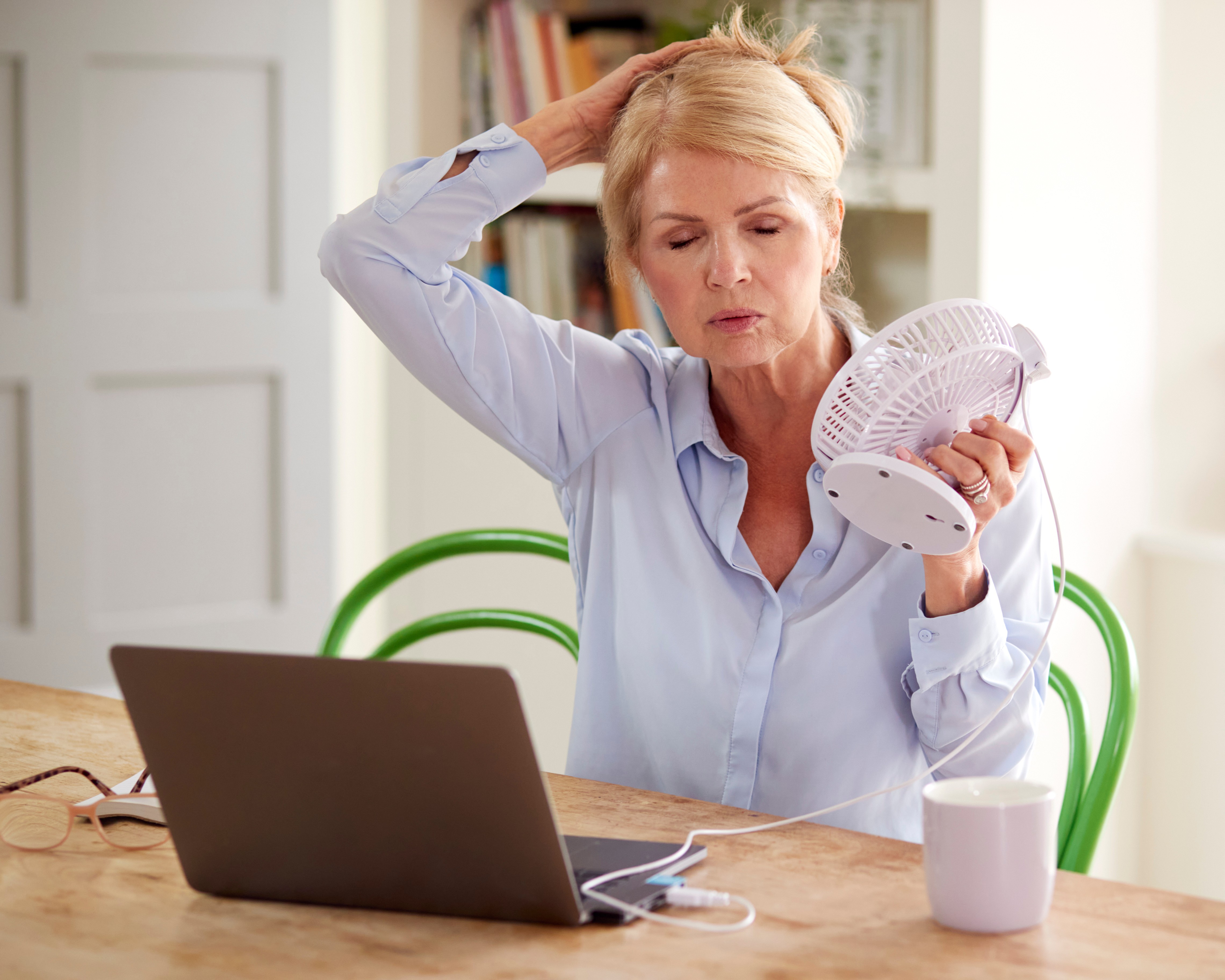
Through my research into women's health, I uncovered a healthcare system that fails 75% of women over 40 during perimenopause and menopause. Existing solutions focused on symptom relief but overlooked dignity. Across more than 20 interviews, women described the same hidden crisis: hot flashes strike without warning, in meetings, in front of clients, in the middle of hosting, and there was nothing dignified to reach for.
"I had a few (hot flashes) before I started taking hormones. I remember having one on Marine One. I'm dressed, I need to go out, walk into an event, and literally it was like somebody put a furnace in my core and turned it on high and then everything started melting. I thought 'Well, this is crazy. I can't do this.'"
Michelle Obama, in an interview with TODAY.com
This unpredictability is the hidden crisis.
The real problem is loss of control + social pressure. Women can't schedule meetings around symptoms, can't leave hosting, can't predict when a hot flash will strike.
The result? They design their entire lives around avoidance instead of finding solutions that restore control.
A widespread need, largely unmet.
Literature review, survey and interview data pointed to a problem hiding in plain sight: hot flashes are nearly universal, yet relief and workplace support are not.
of women experience hot flashes during menopause
didn't know medications or cooling tools existed
of menopausal women expressed a need for greater workplace support
of workplaces currently offer menopause-specific accommodations
"Women were designing their lives around their symptoms instead of finding solutions that worked for them."
No dignified option existed before Baanu. Women were choosing between medication with side effects and makeshift fixes like ice packs and fans. None of it was built for a professional setting. Across interviews, they described hot flashes as sudden and unpredictable, striking during meetings, customer interactions, or family gatherings, and most chose to endure them quietly rather than step away.
Research & Prototype Exploration
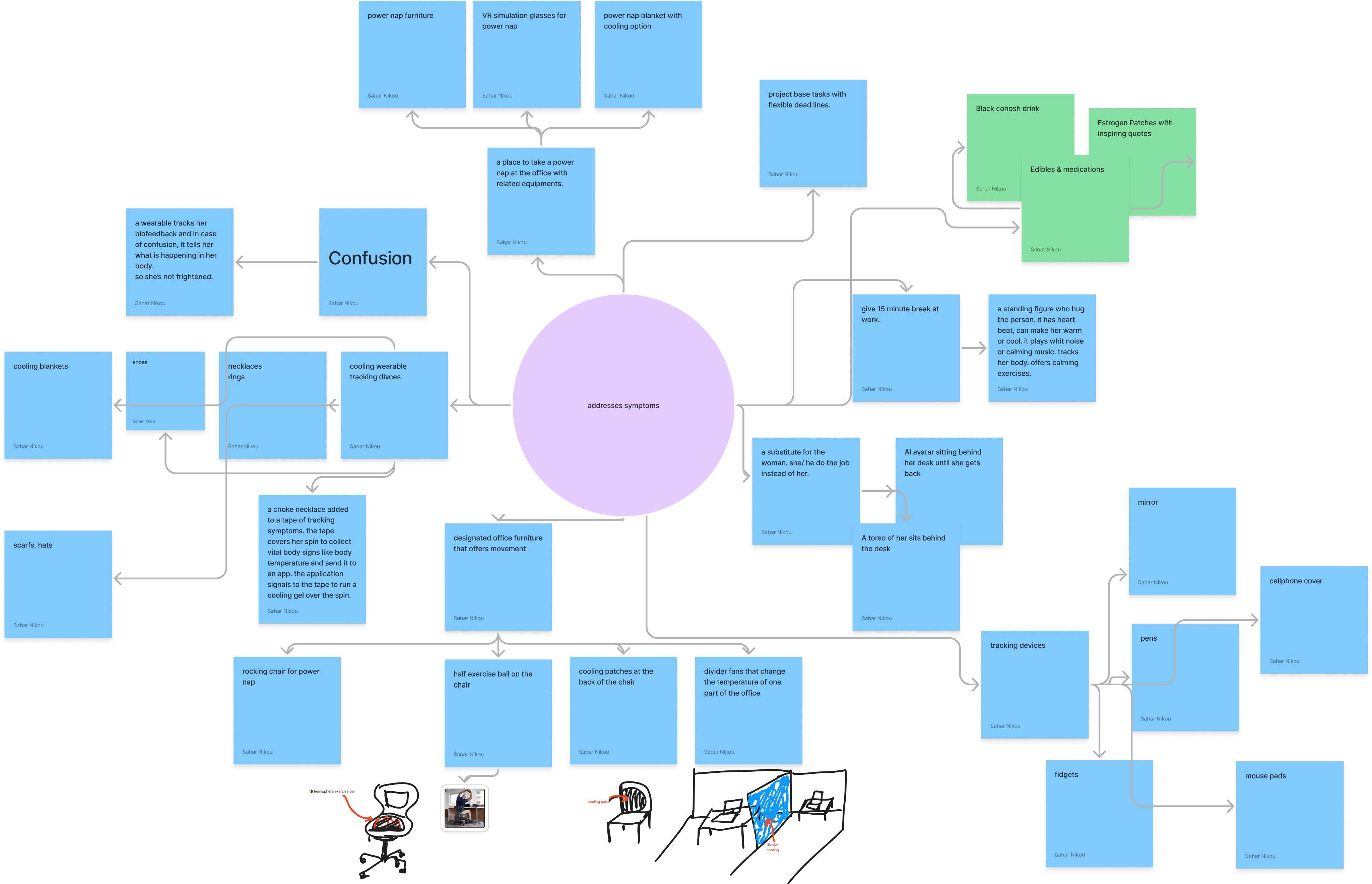
To move from personal frustration to validated solution required systematic research, rapid iteration, and honest failure.
Here's how I discovered what women actually needed.
Interviews & Surveys
More than 20 women, ages 45–60+
Literature Review
Menopause symptoms & mental health
Social Media Analysis
Online communities & coping strategies
Seminars & Podcasts
Expert-led discussions
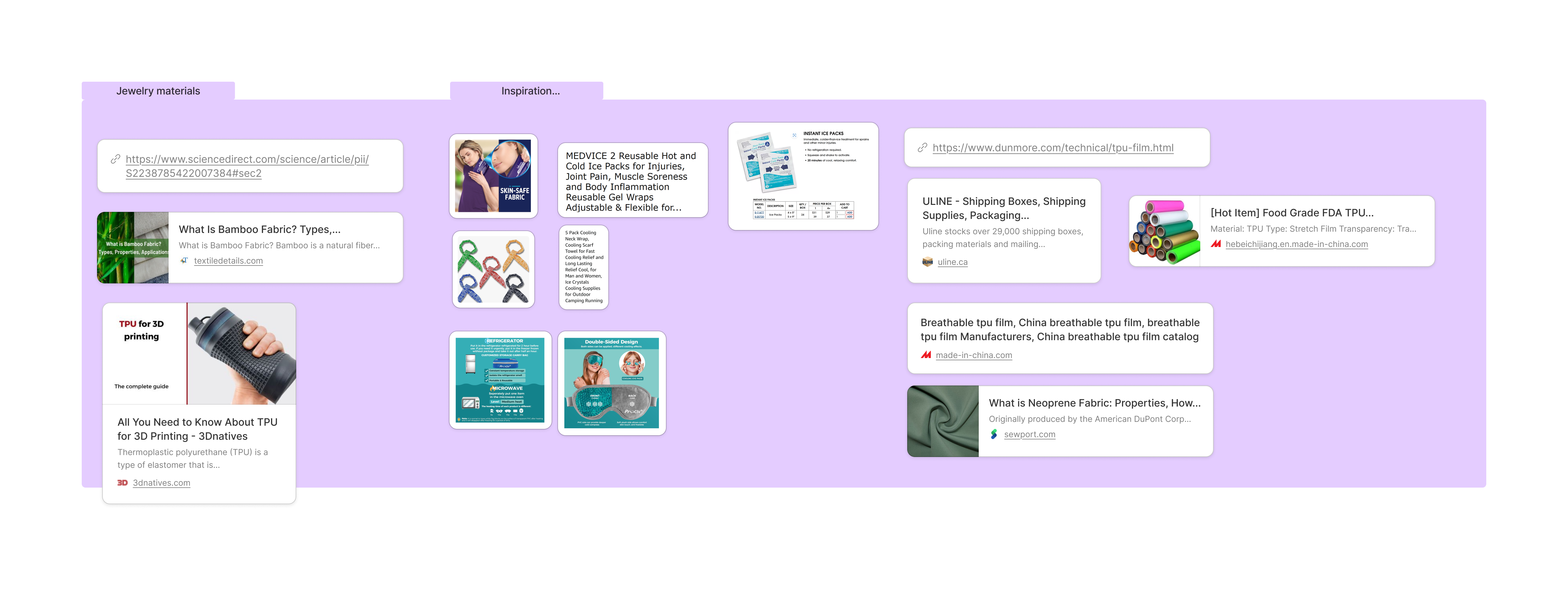
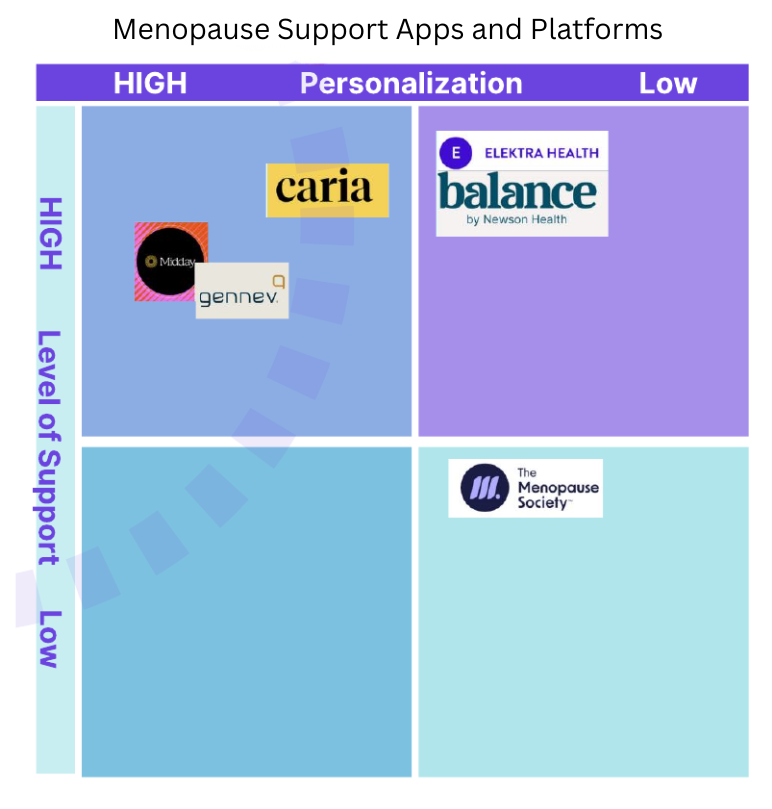
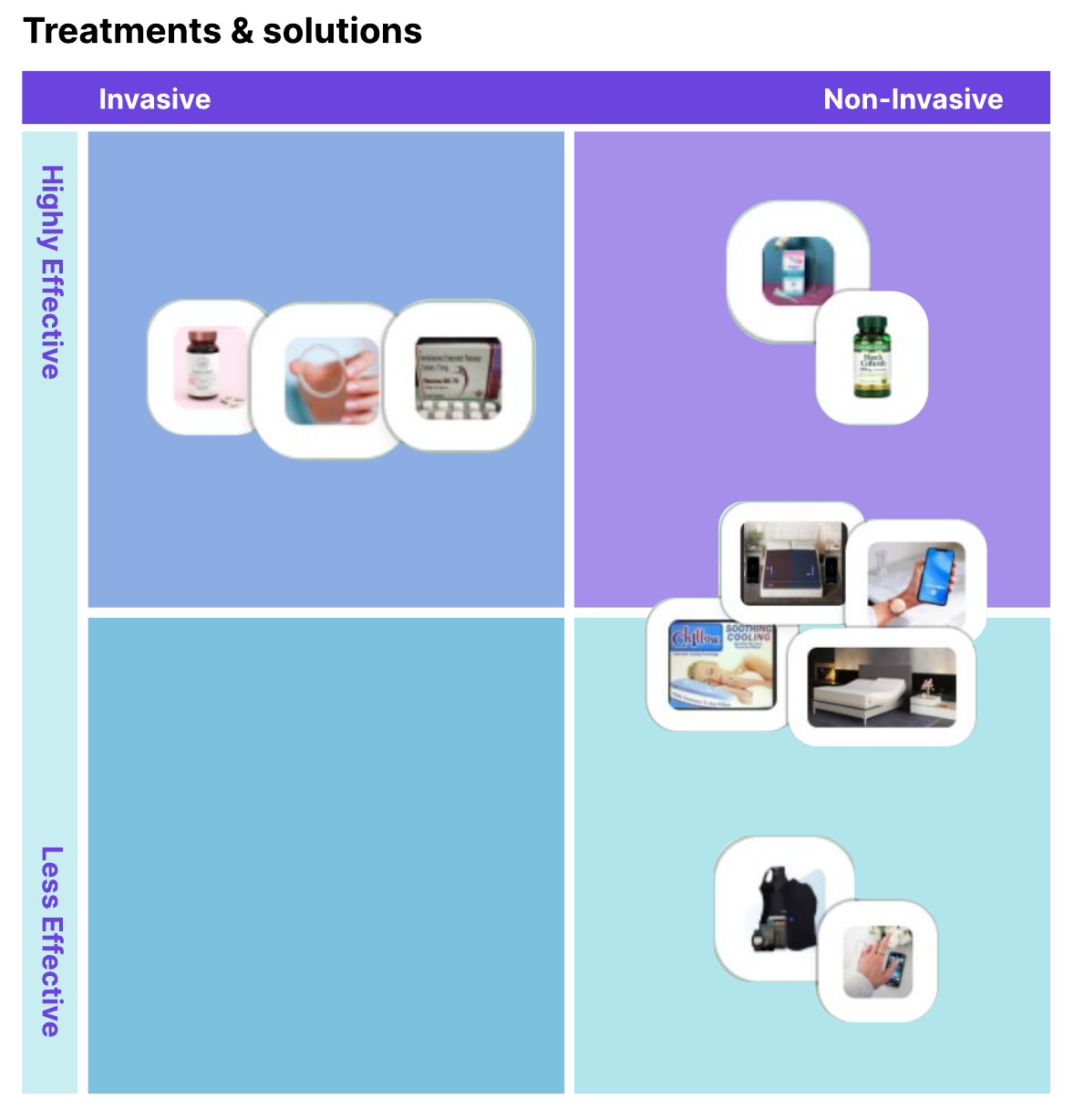
Market Research
Existing products: price, efficiency & risk
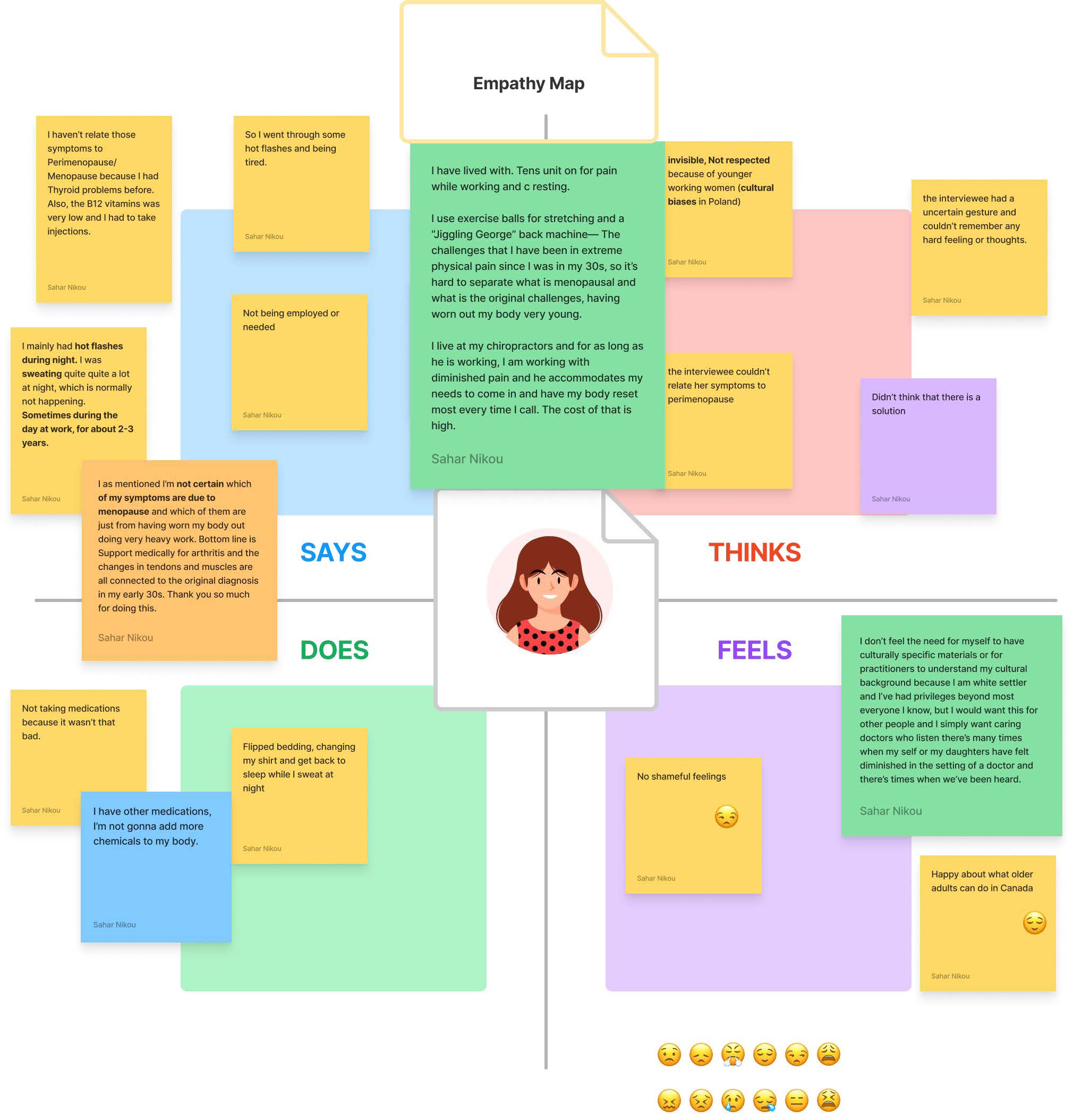
Turning 20+ conversations and hours of listening into journey maps, an empathy map, and clearly defined opportunity areas.
Functional Effectiveness
The solution must provide instant relief during hot flashes and maintain cooling for continuous wear in professional settings.
Emotional Resonance
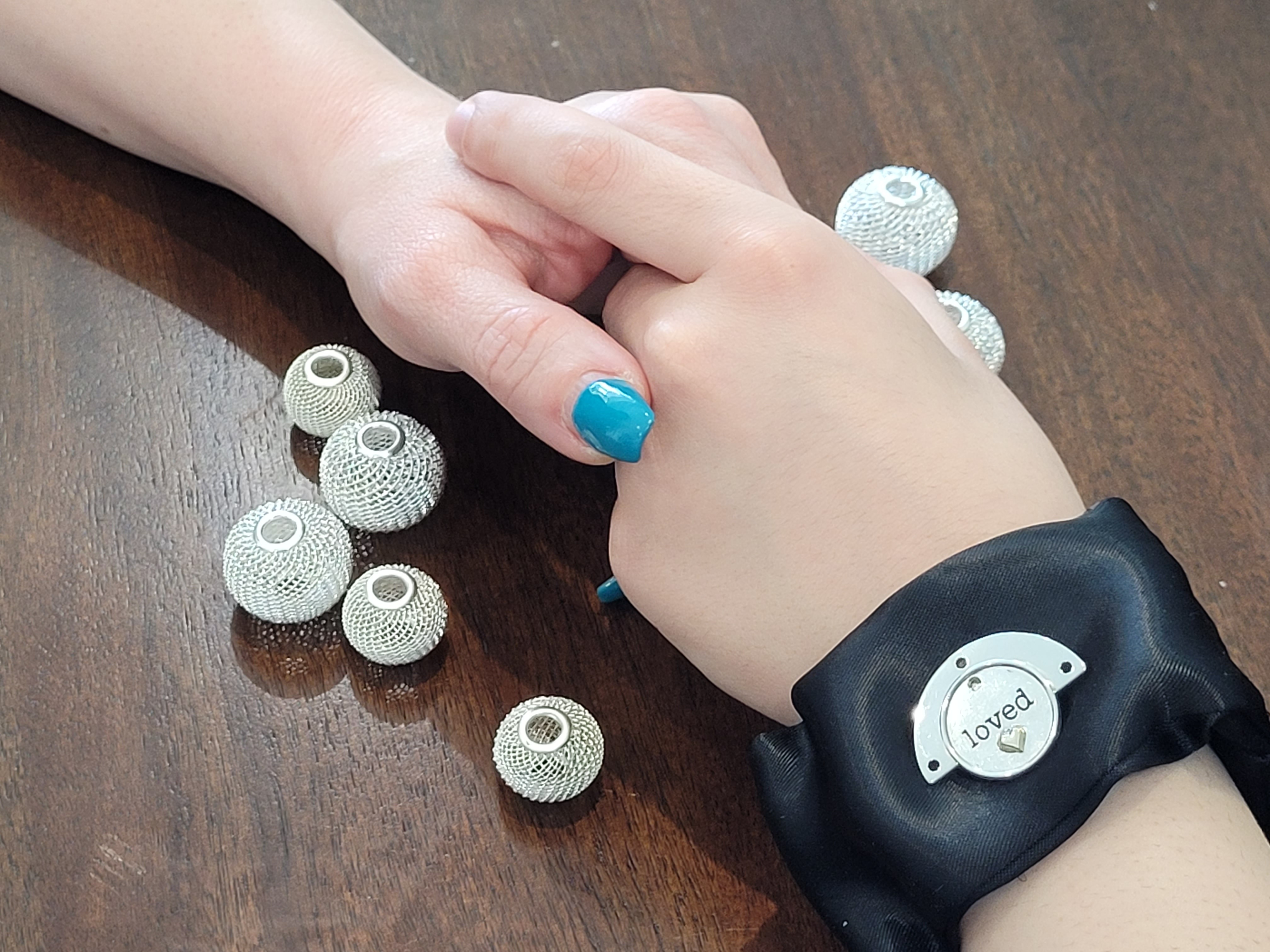
It must feel like jewelry, not medicine. Women should want to wear it, choosing personalized charms that reflect their identity and values.
Workplace Dignity
The design must be discreet enough to use in professional settings without explanation, allowing women to manage symptoms invisibly.
Three concepts were explored before landing on the bracelet solution. Each rejection taught critical lessons about user needs and technical feasibility.
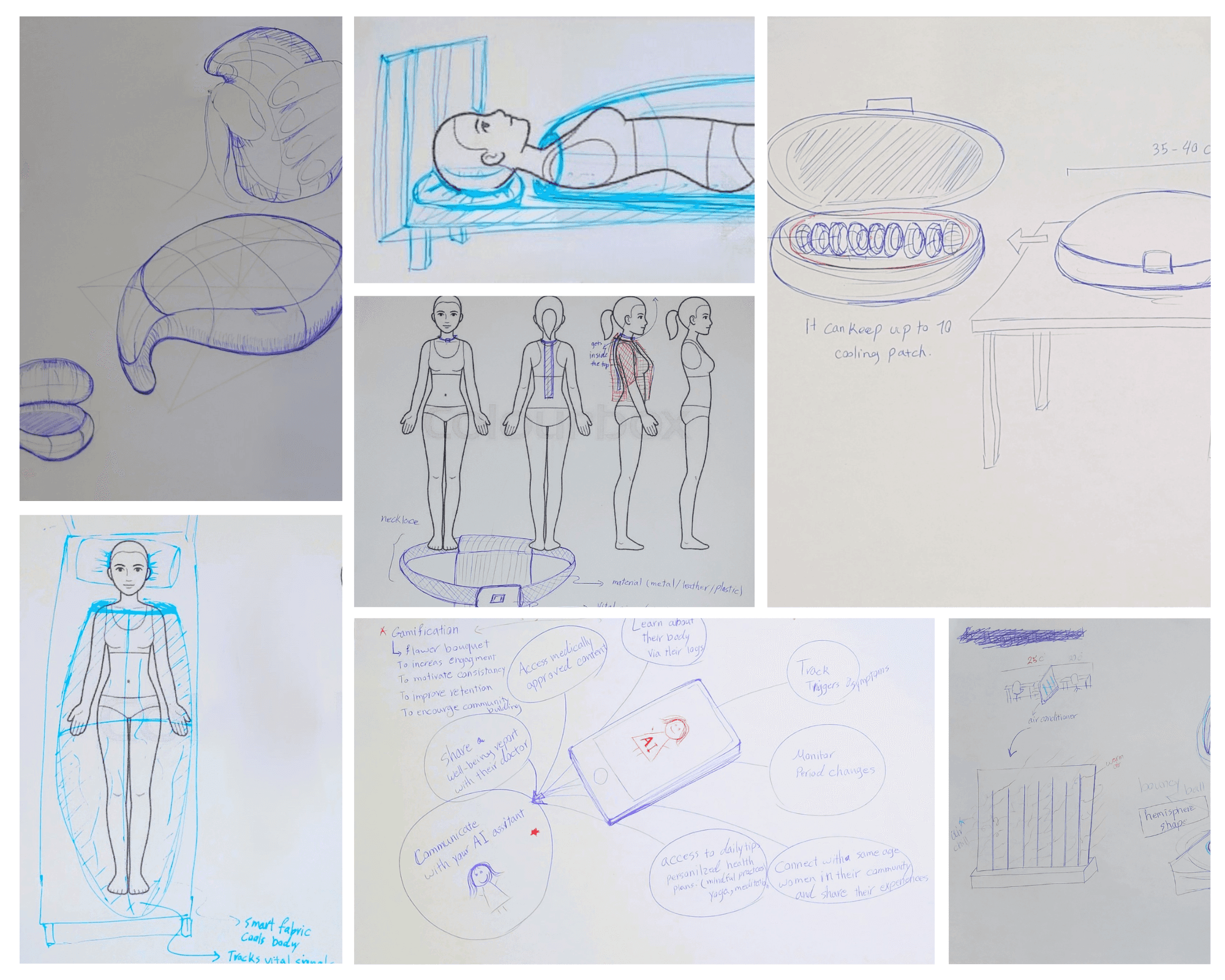
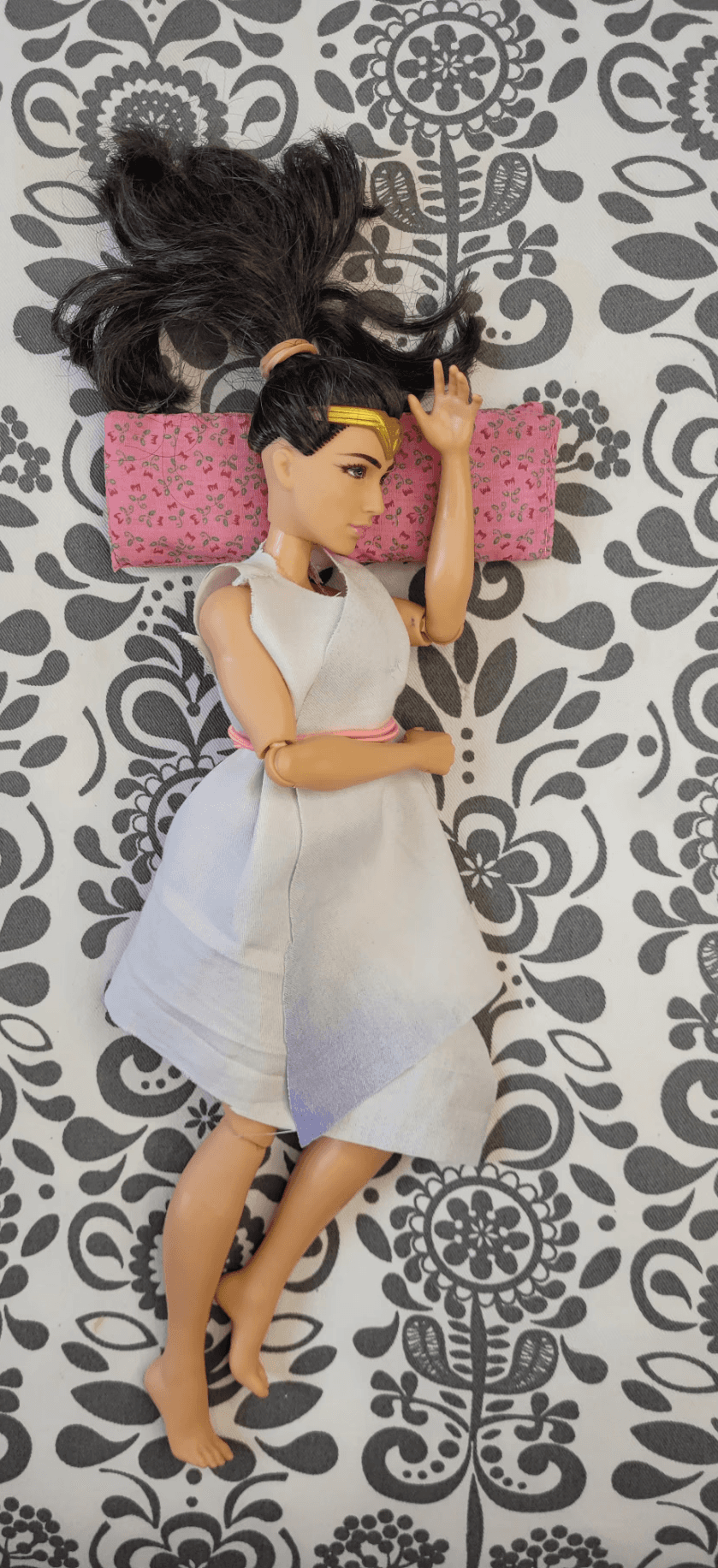
Self-Regulating Dress
Rejected due to material unavailability and "too long" user feedback.
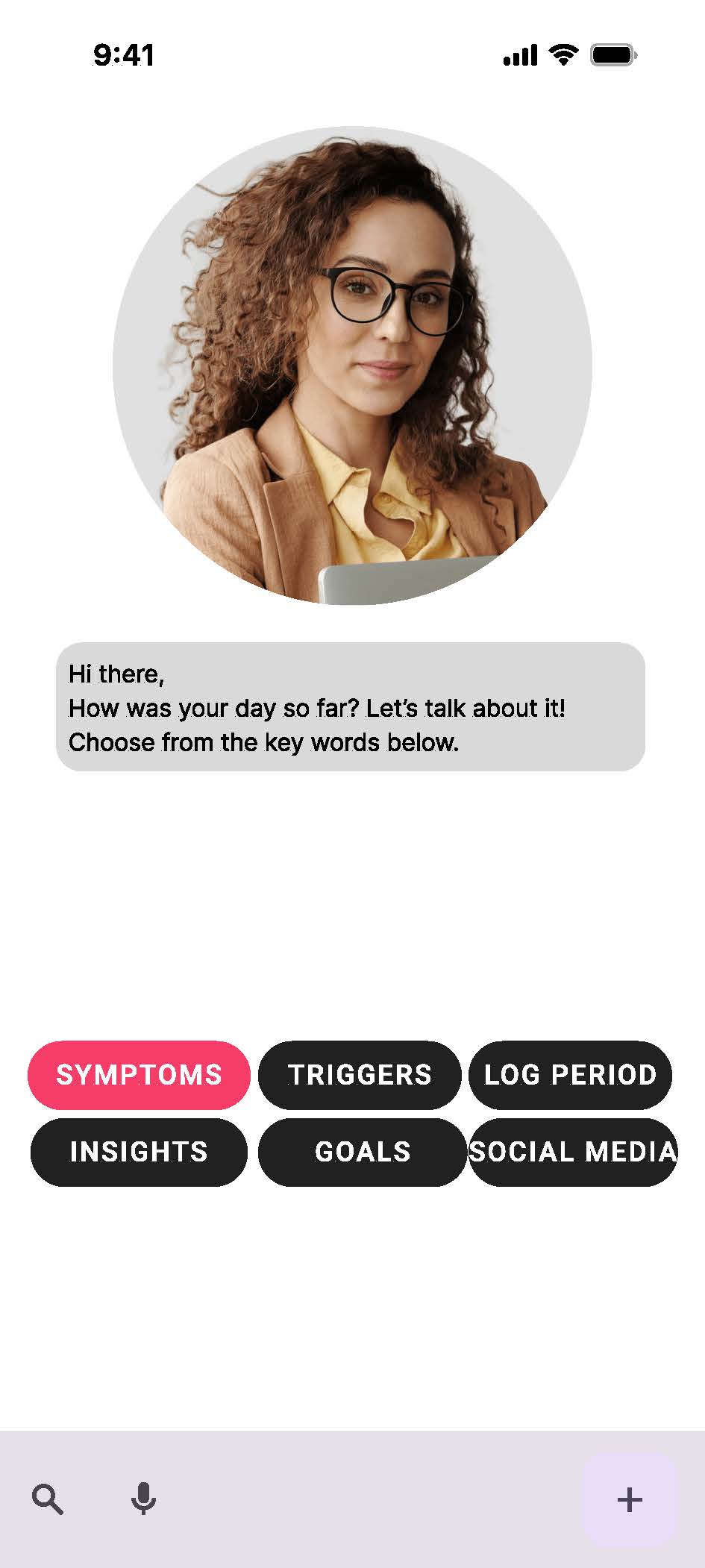
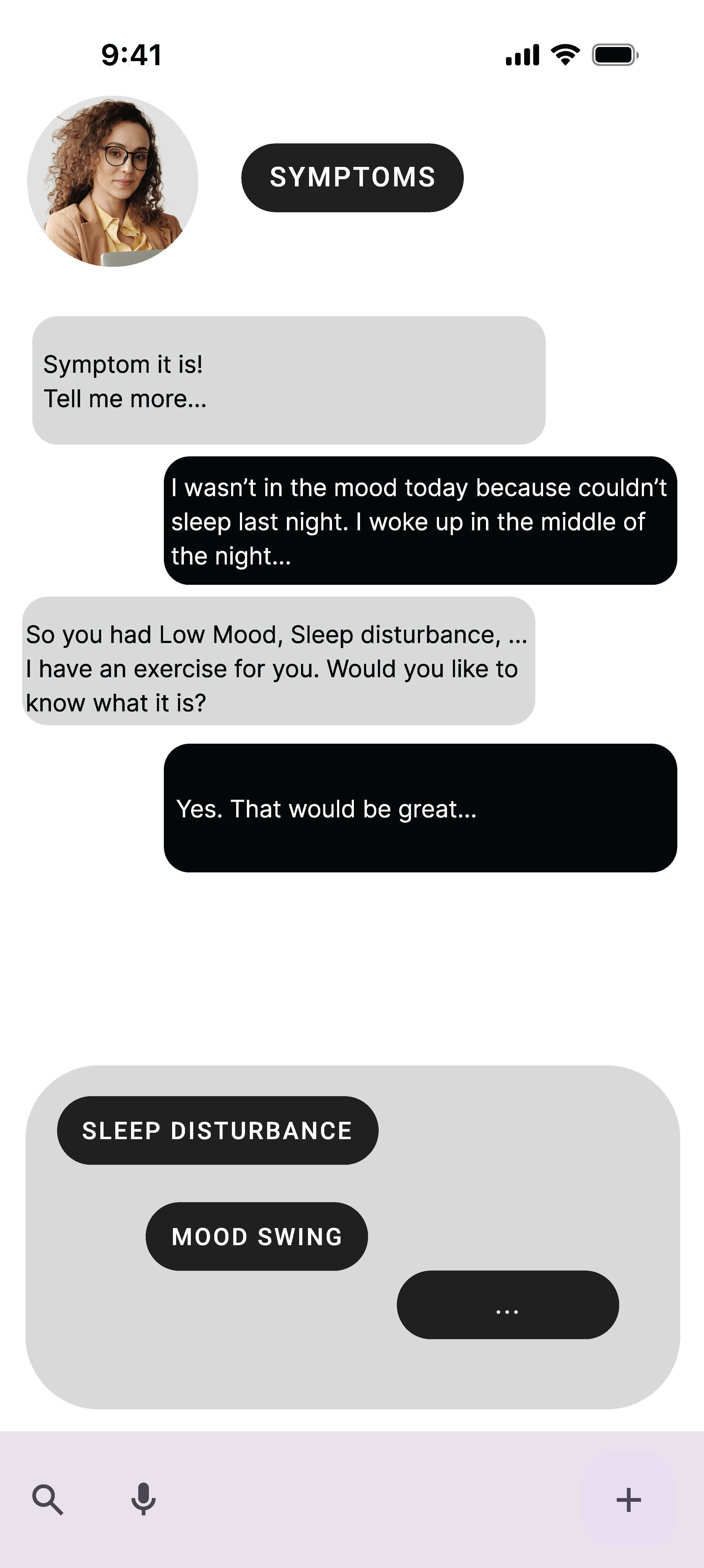
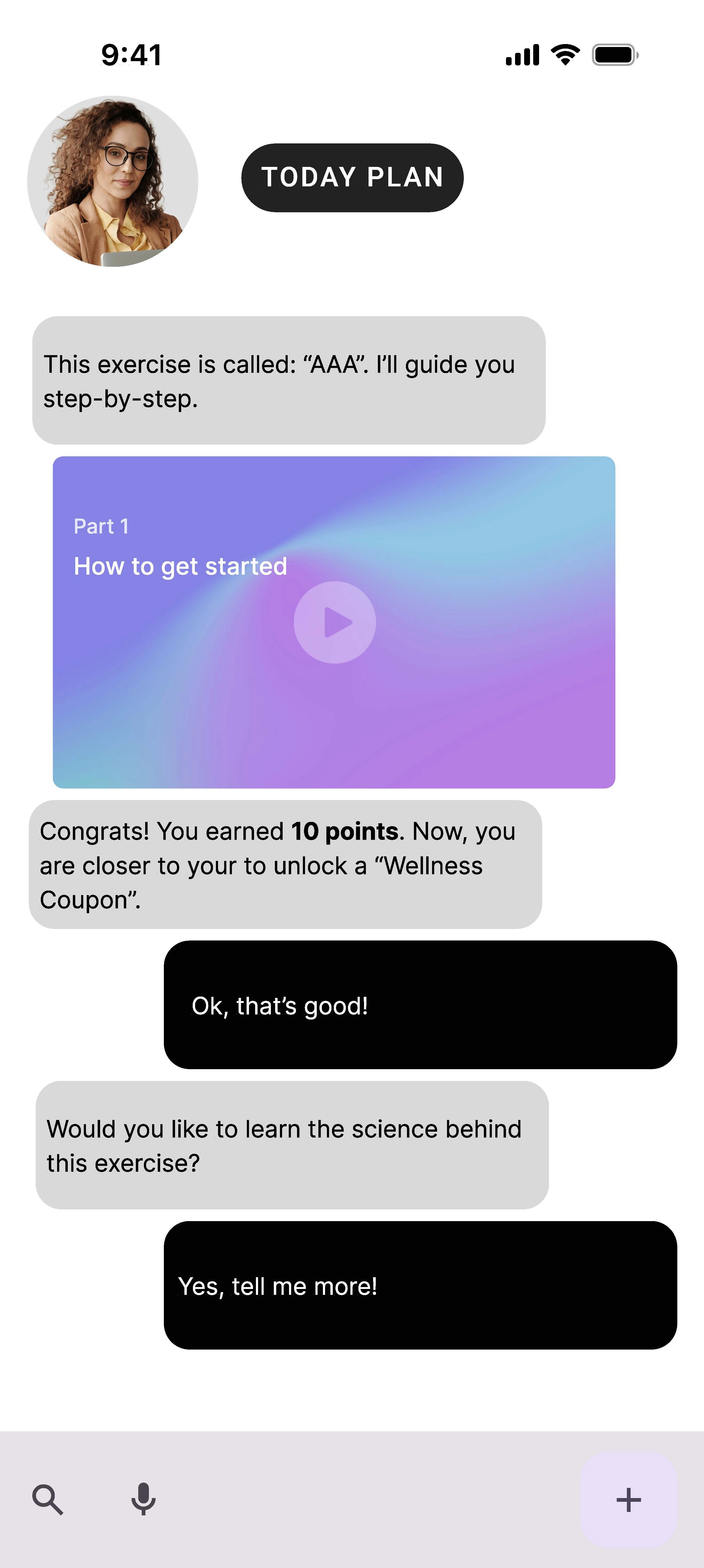
Ask Jasmine Mobile App
A mobile application, even AI-powered, cannot provide immediate relief during a hot flash or support women's comfort and dignity in that moment.
Cooling Bracelet + Portable Storage System
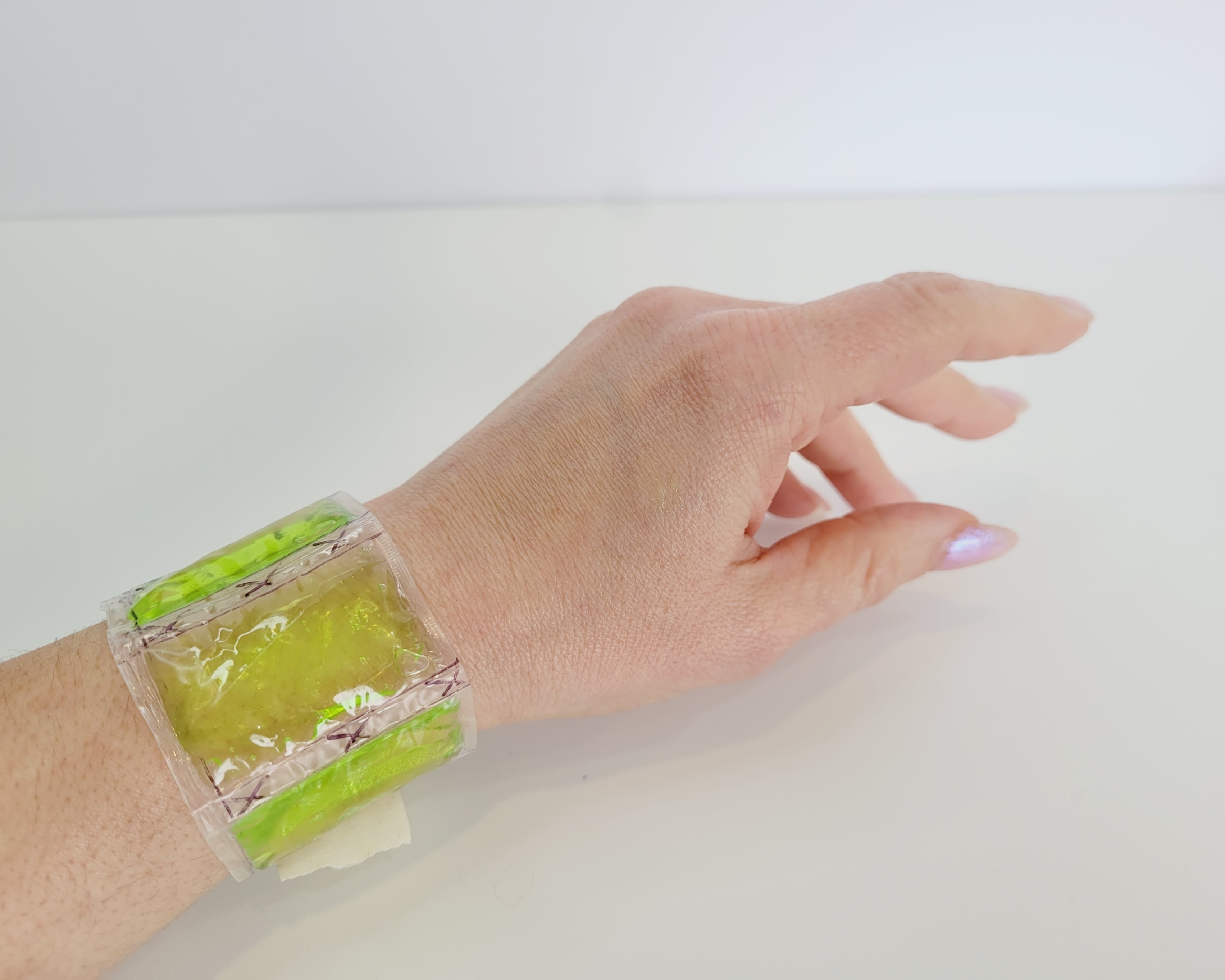
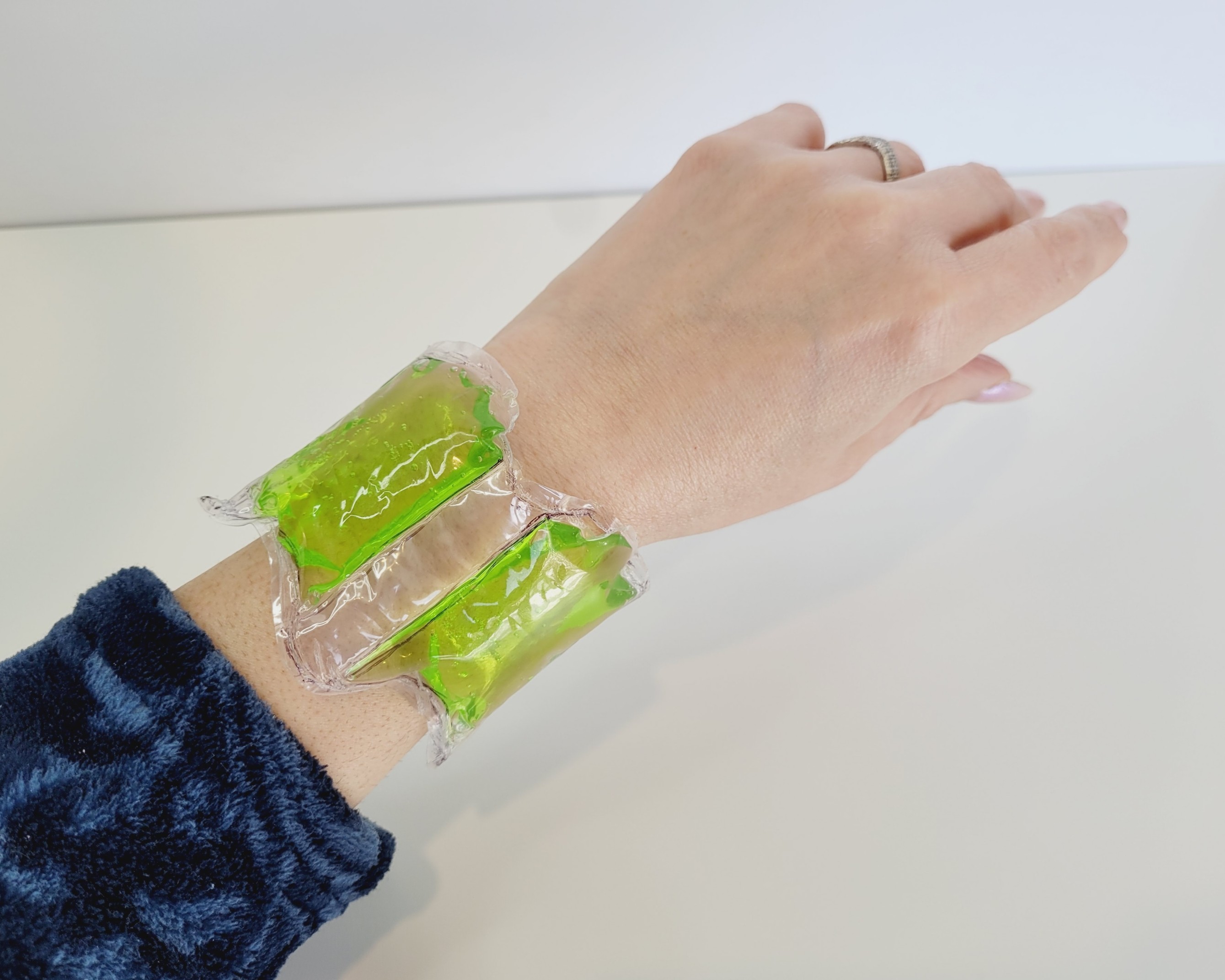
Wrist-worn hydrogel bracelet providing instant cooling at pulse points combined with jewelry aesthetics.
Moving from concept to physical product required material constraints, honest failure, and relentless iteration.
Function before aesthetics.
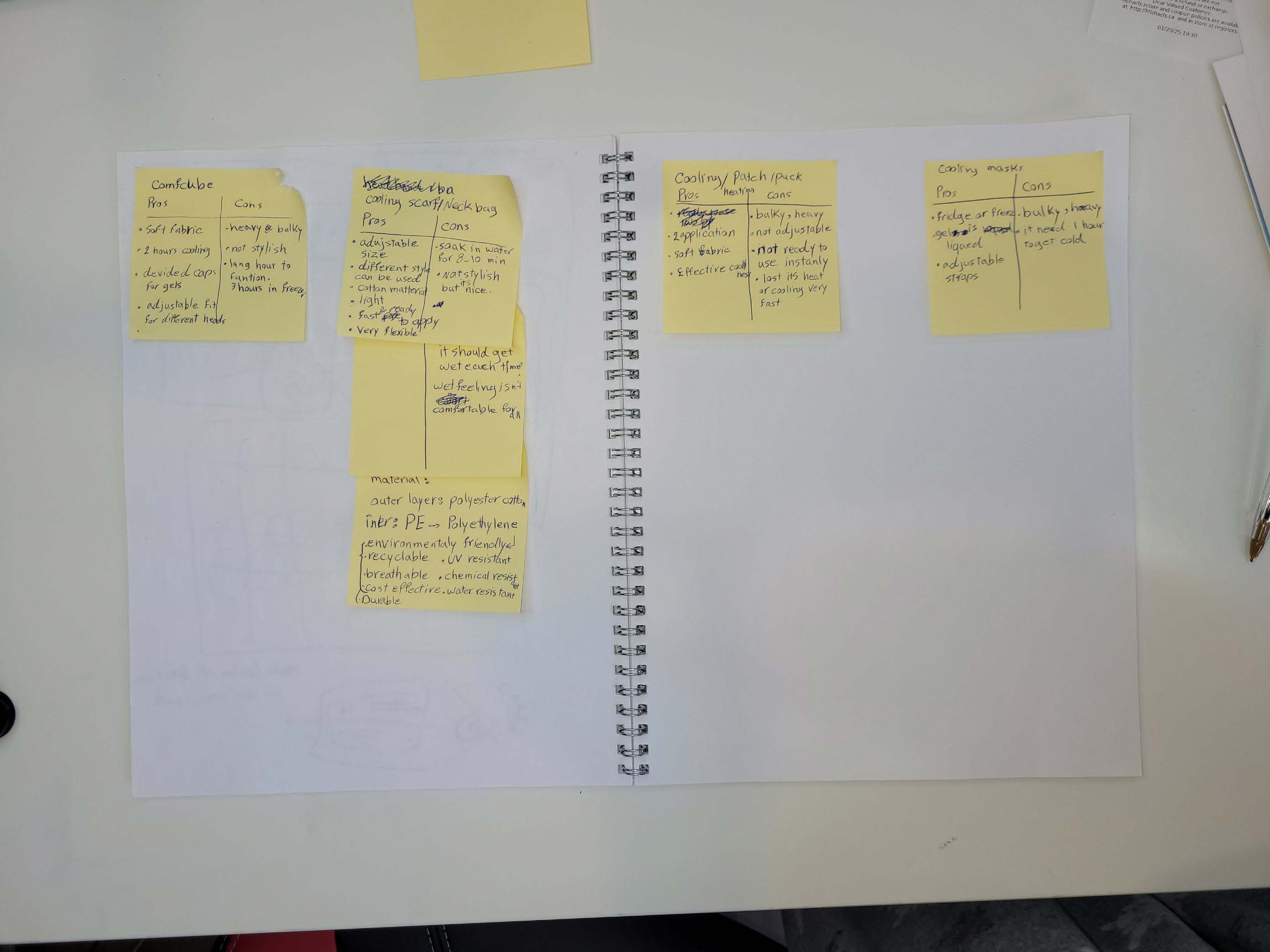
The material had to be safe for skin, flexible, affordable, and reusable. Anything that failed one constraint was immediately rejected.
What Didn't Work
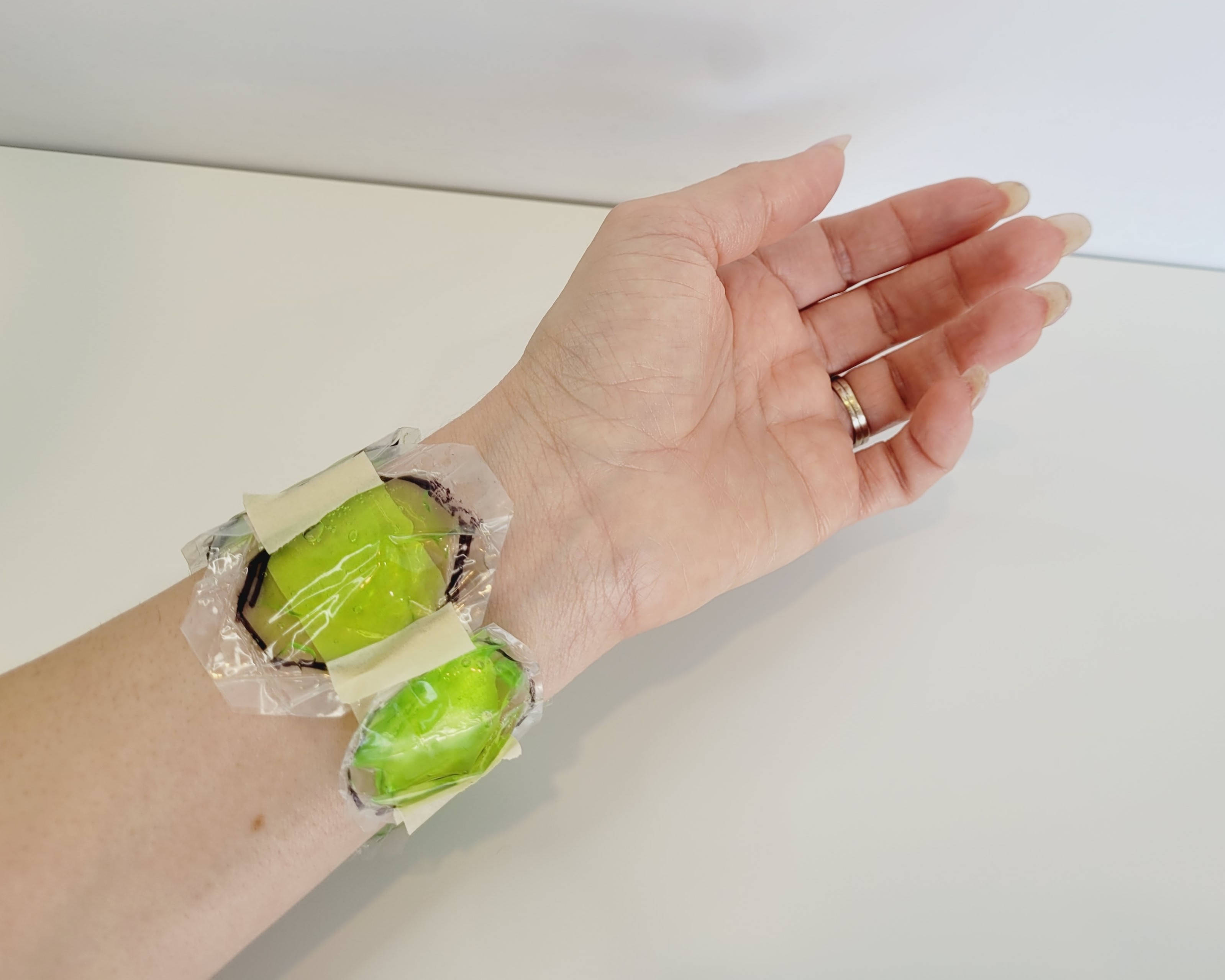
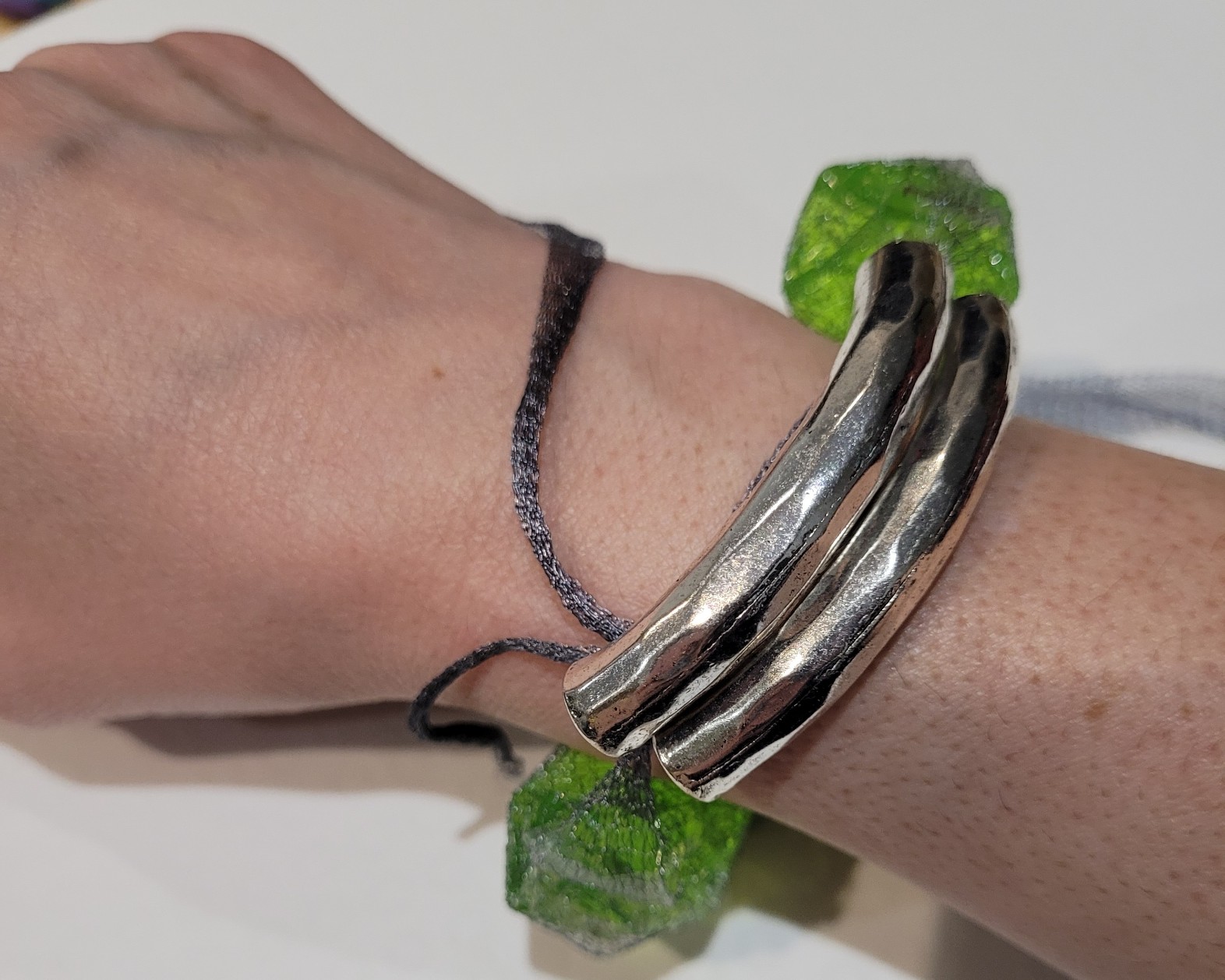
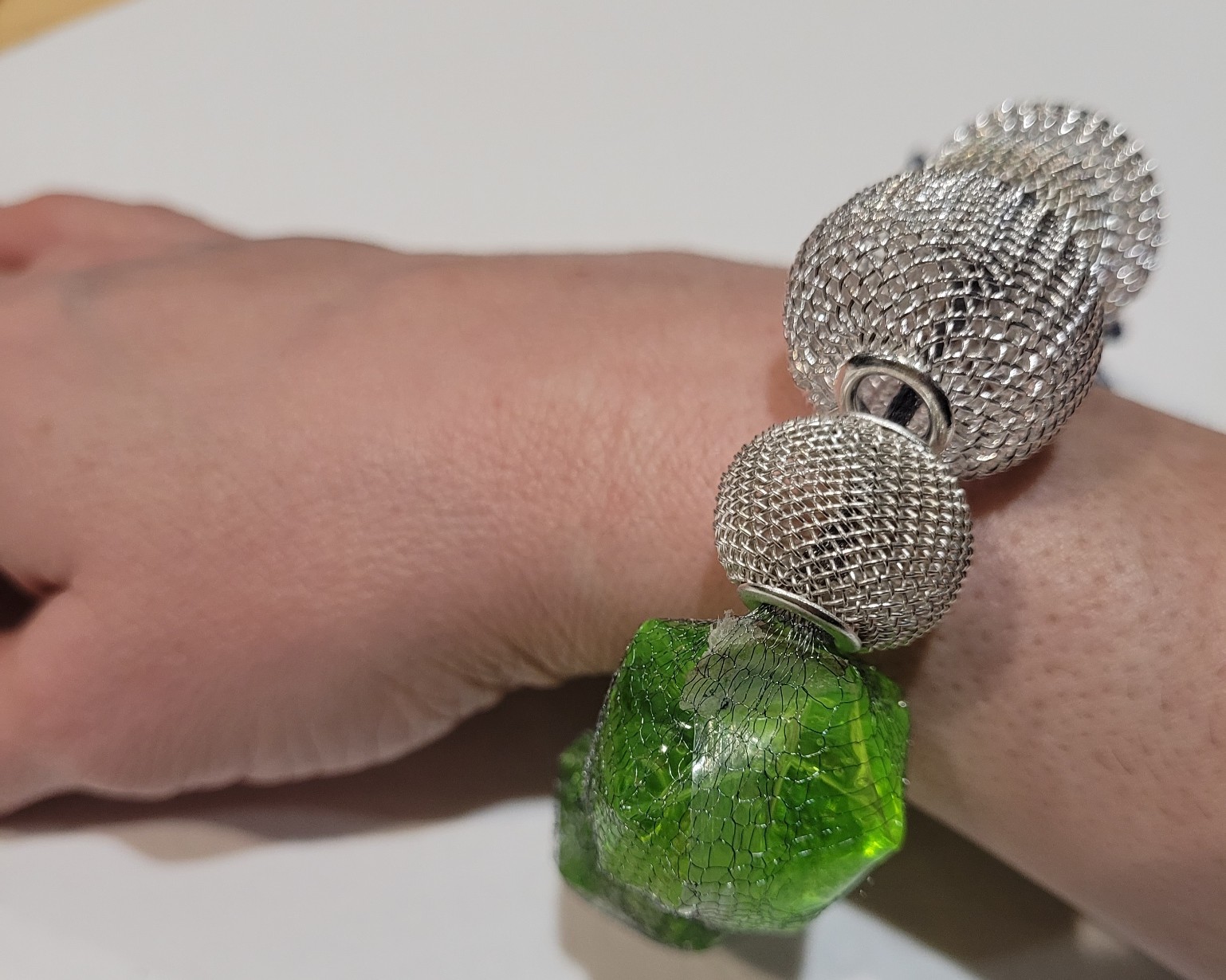
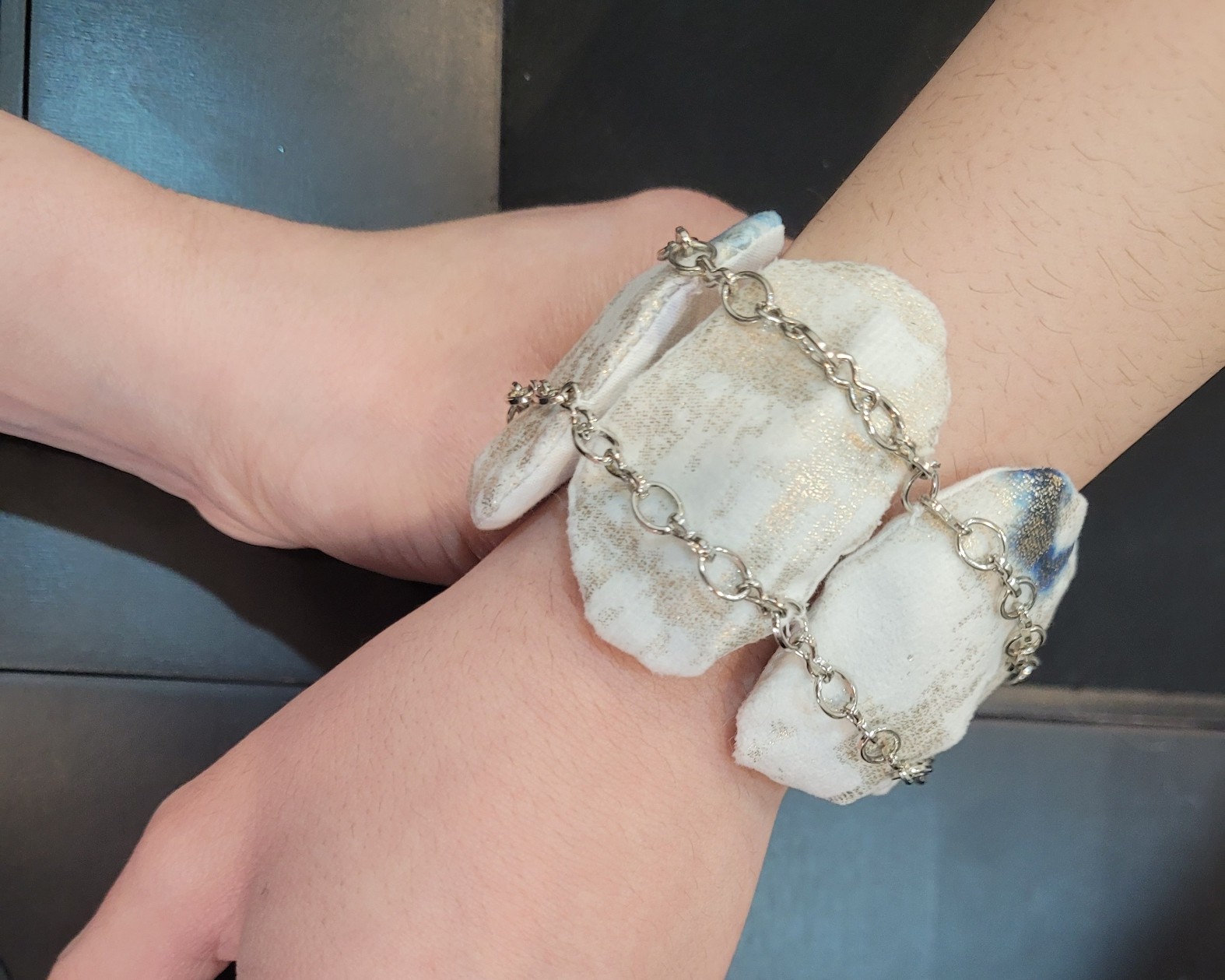
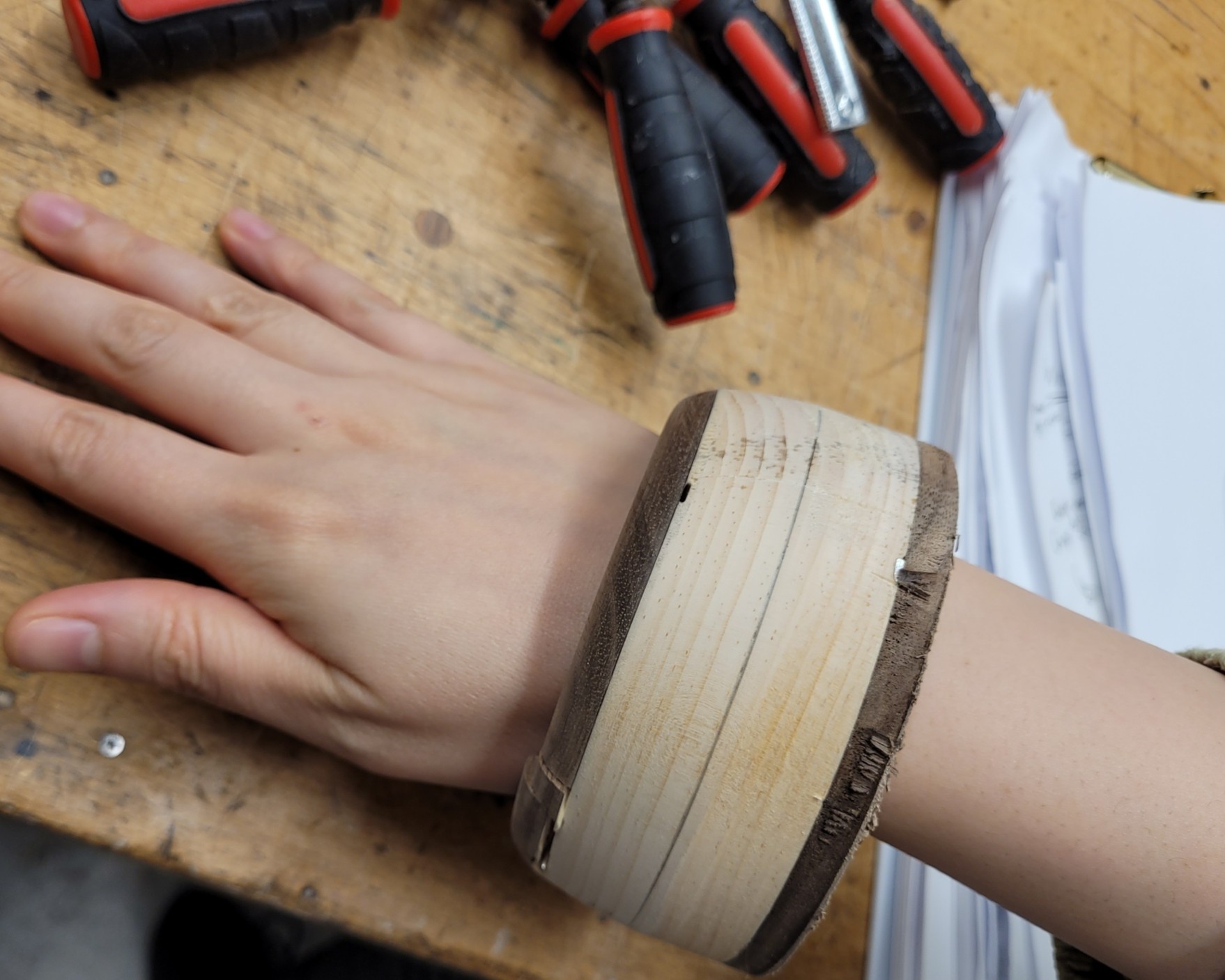
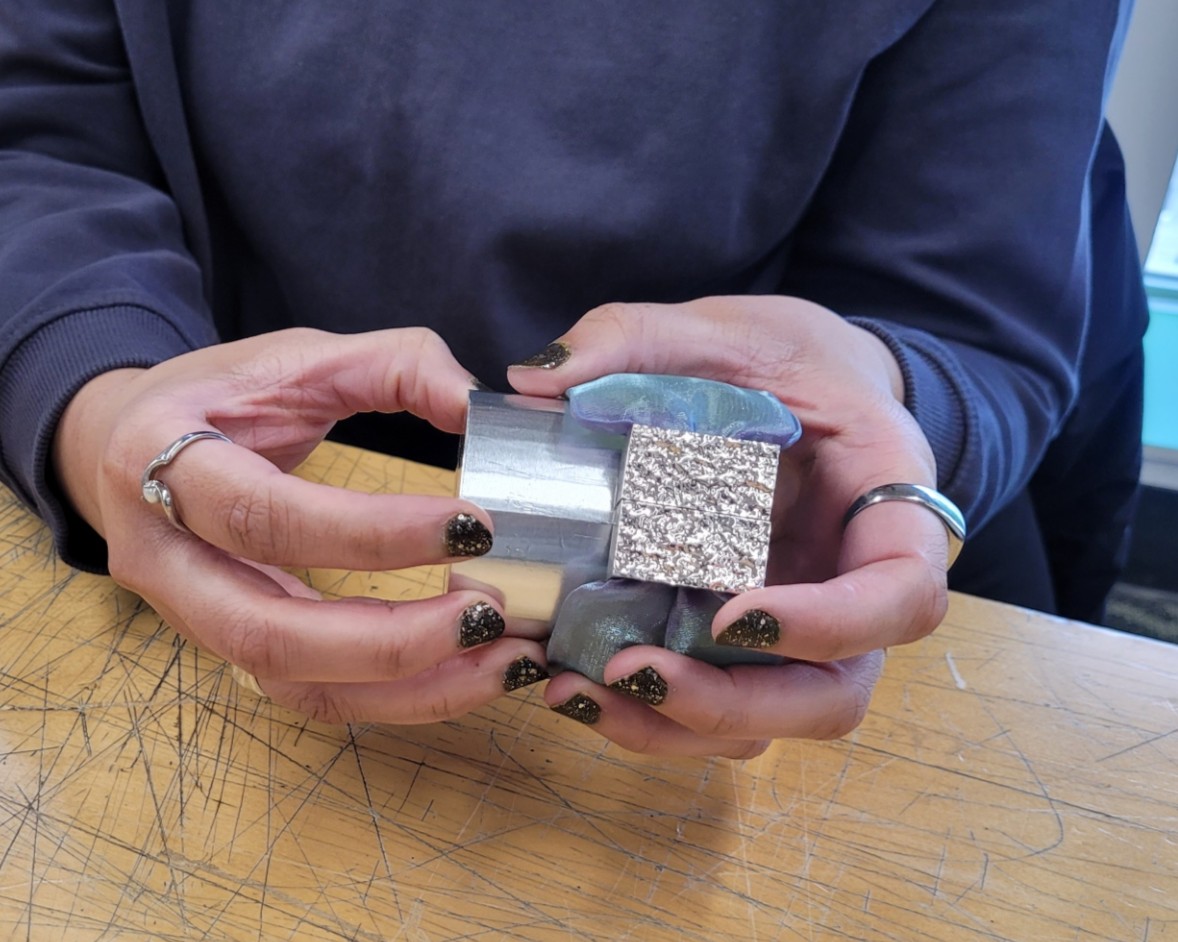
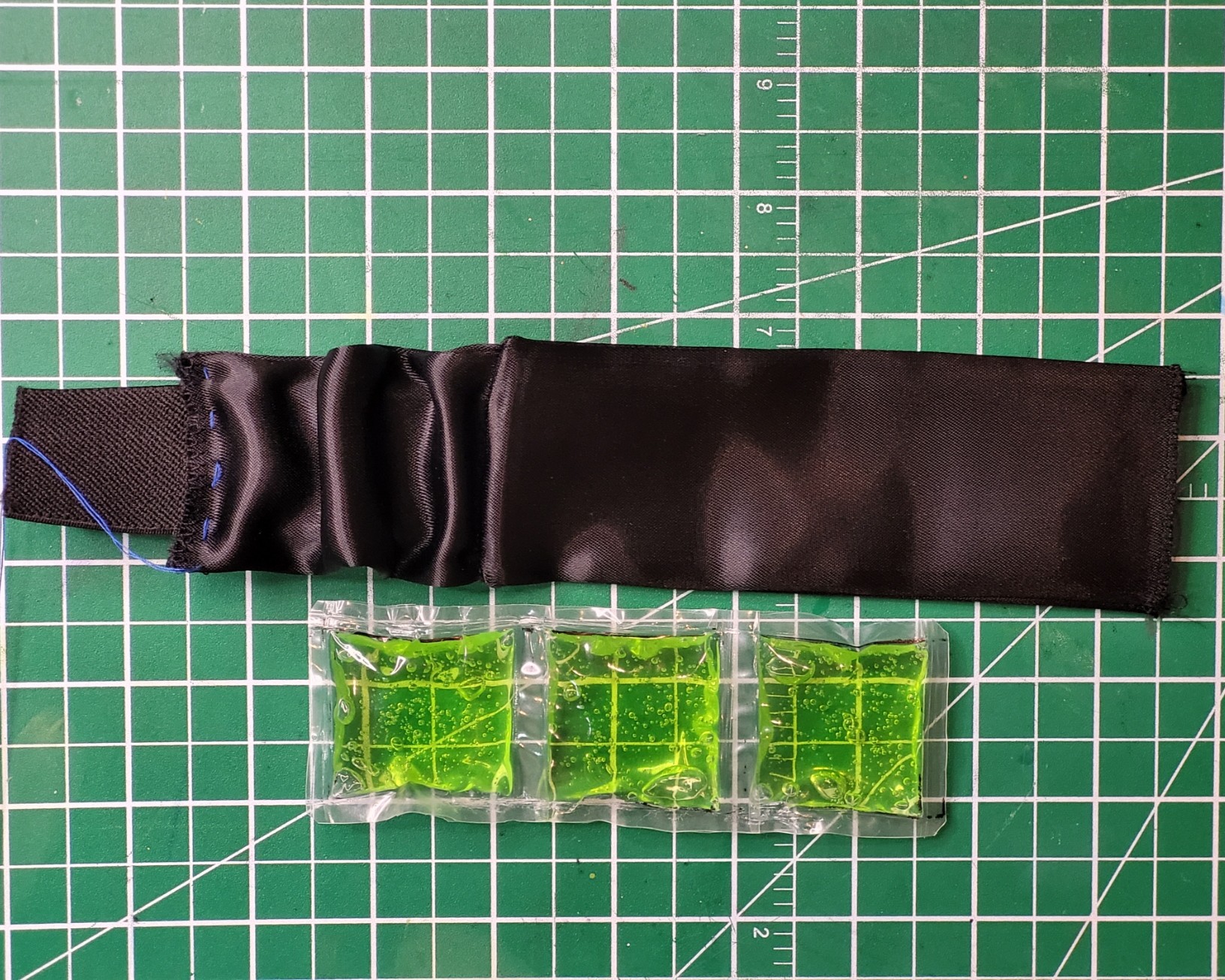
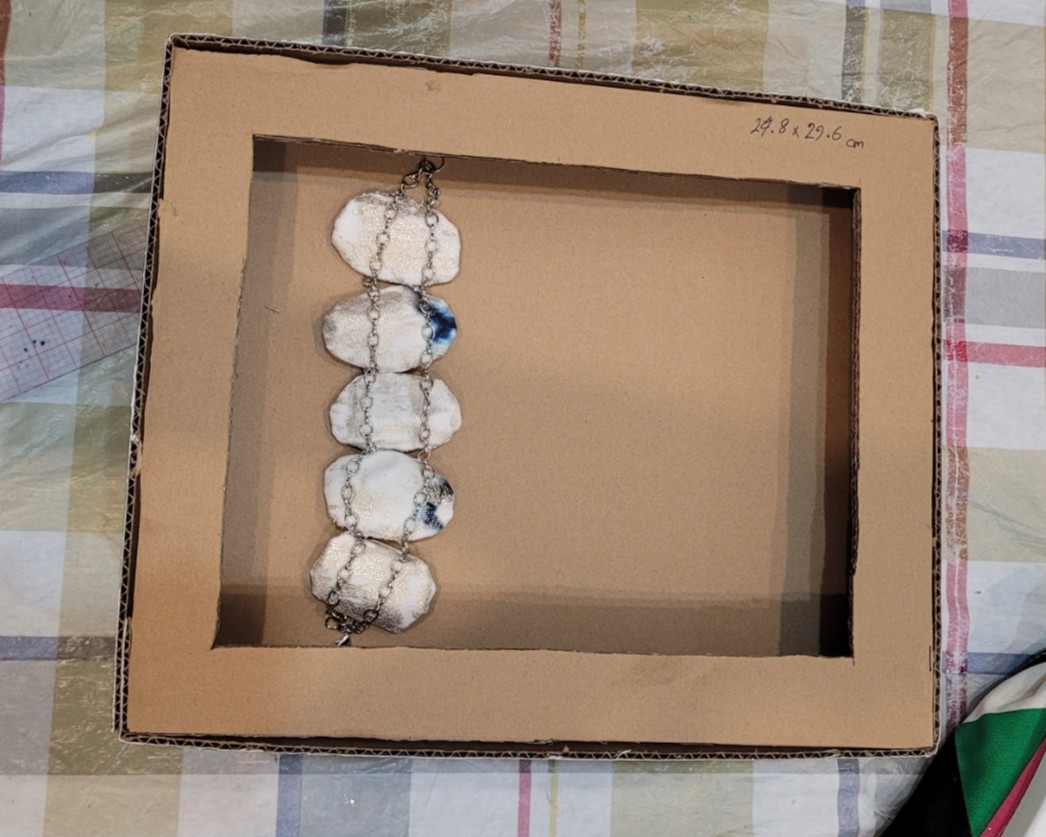
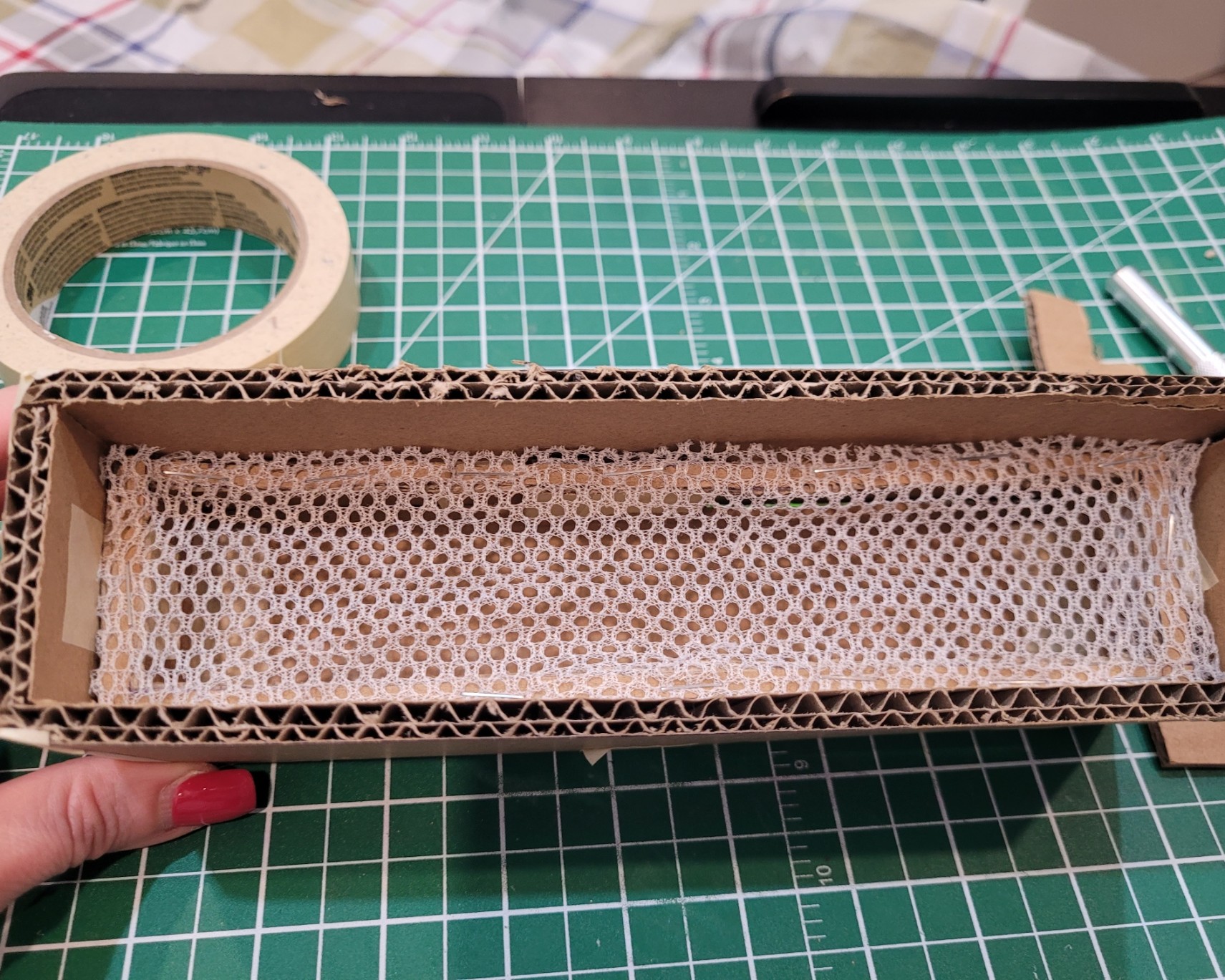
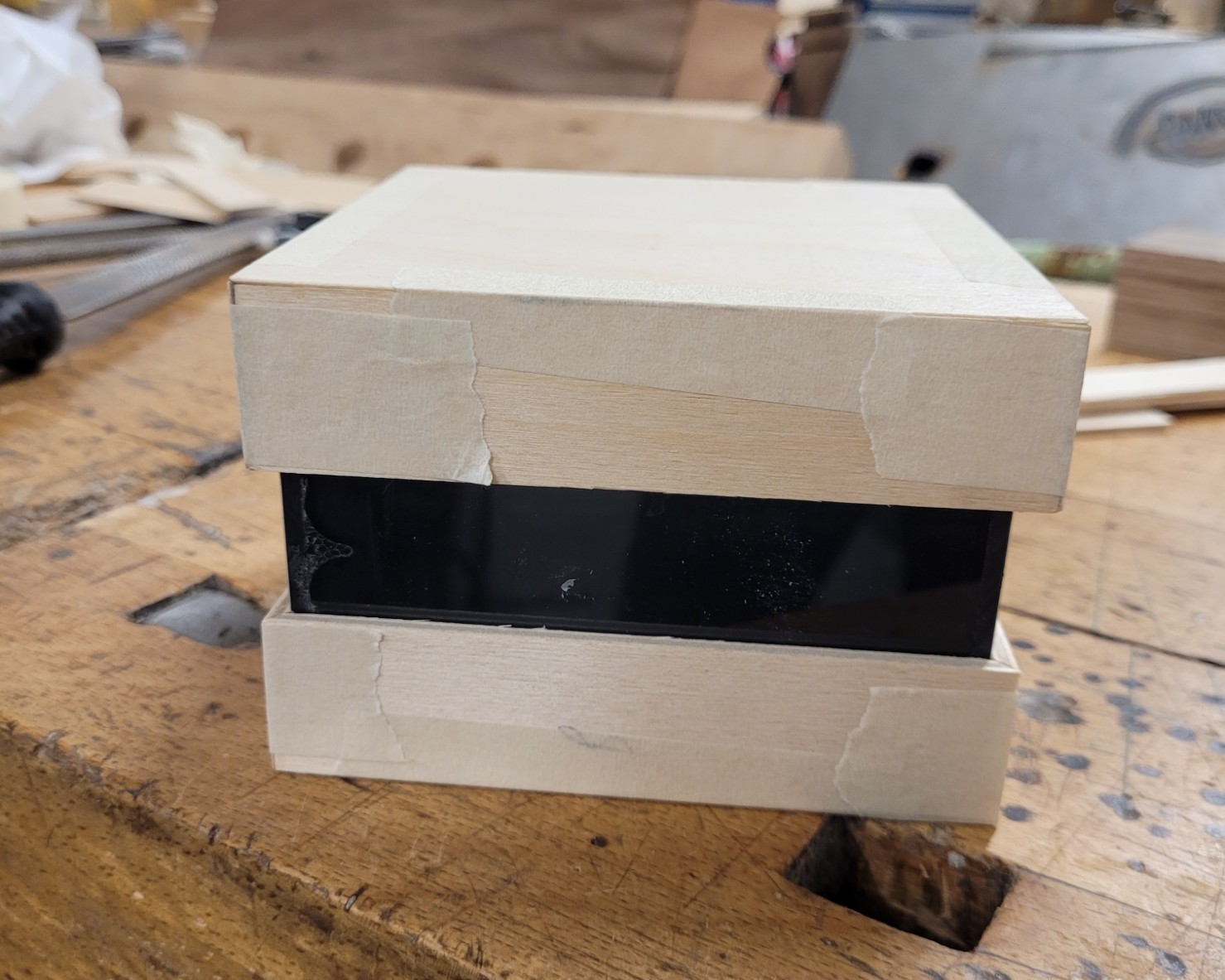
Single-Use Ice Packs
Wasteful, not reusable. Women would need dozens per month. Environmentally irresponsible and expensive over time.
Metal or Wood Bangles
Uncomfortable against skin, heavy. Women wanted flexibility, not rigid jewelry.
Thick Fabric Wraps
Bulky, slow cooling response, absorbed sweat. Looked like medical bandages, not dignified jewelry.
The Solution
Design Rationale
Why a bracelet?
Wrists contain pulse points where blood flow is closest to the skin, making them the most effective cooling location on the body.
Alternative placements were systematically tested and rejected. Ankle cooling wasn't visible under professional attire, defeating the purpose of accessible relief. Neck applications looked bulky and medical. Torso solutions required clothing removal, impractical in office environments.
Testing confirmed the wrist as the strongest option. Fast enough to catch a hot flash before it peaked, and reliably invisible under everyday clothing.
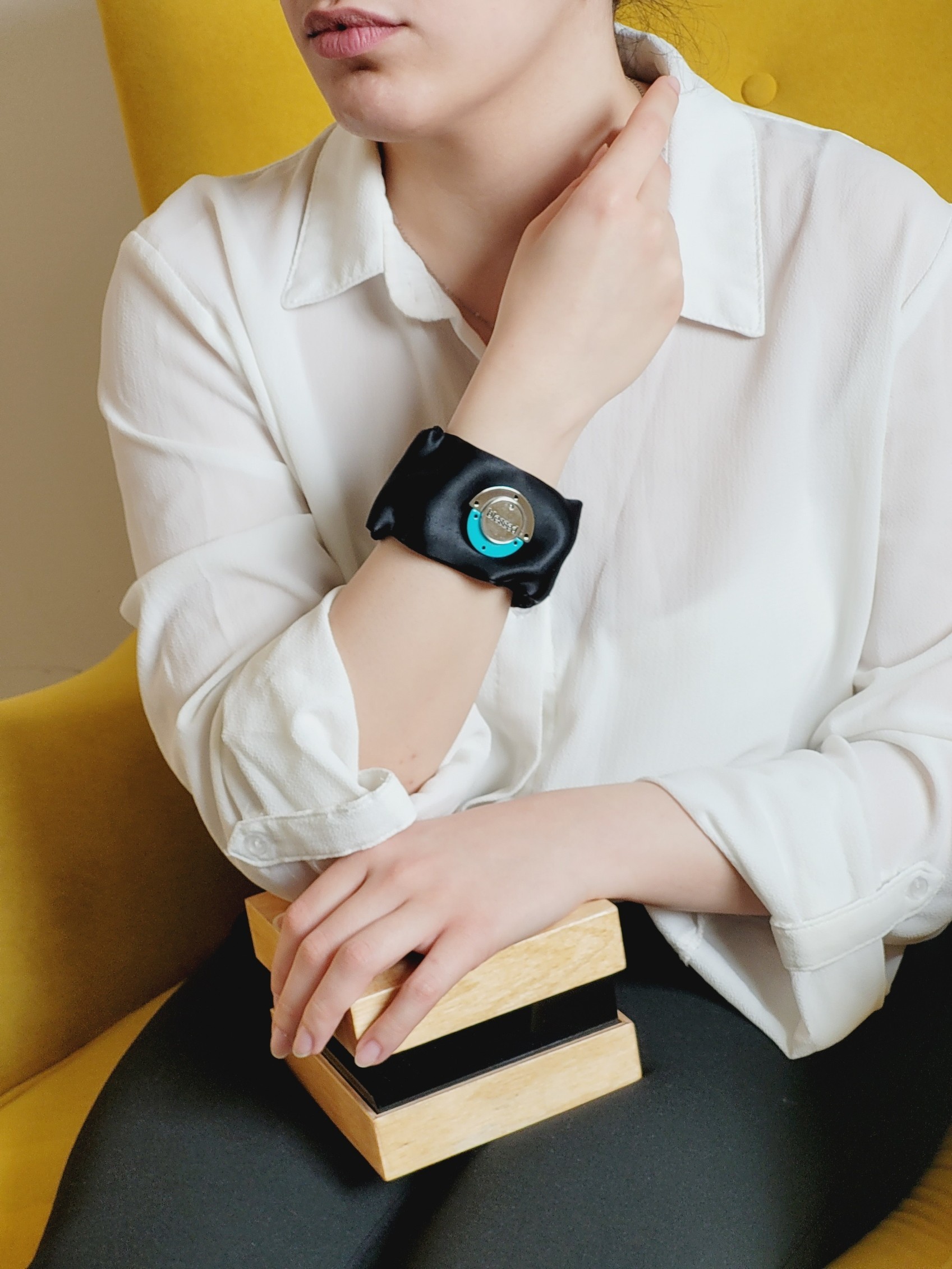
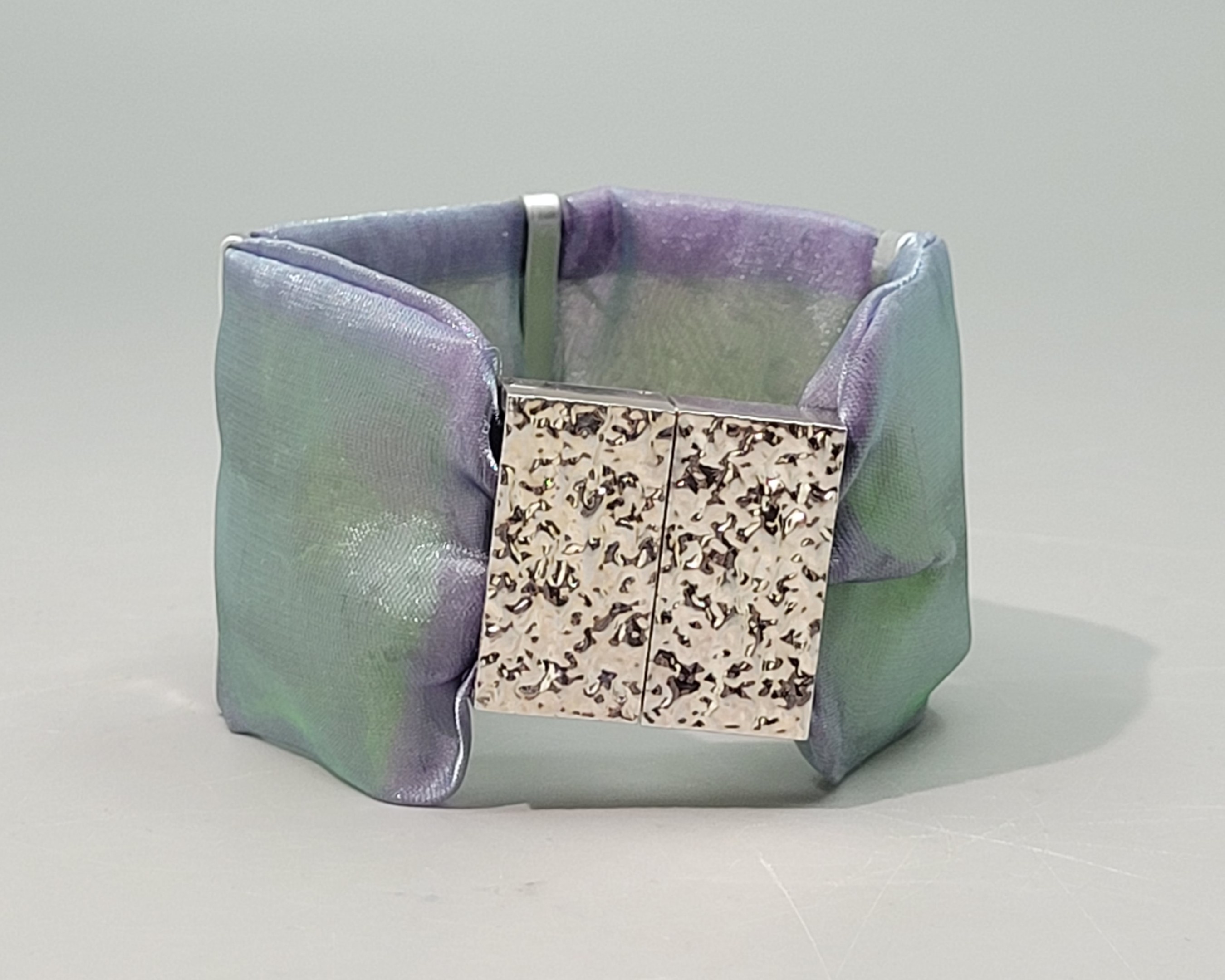
Medical-Grade Hydrogel Bracelet + Cooling System
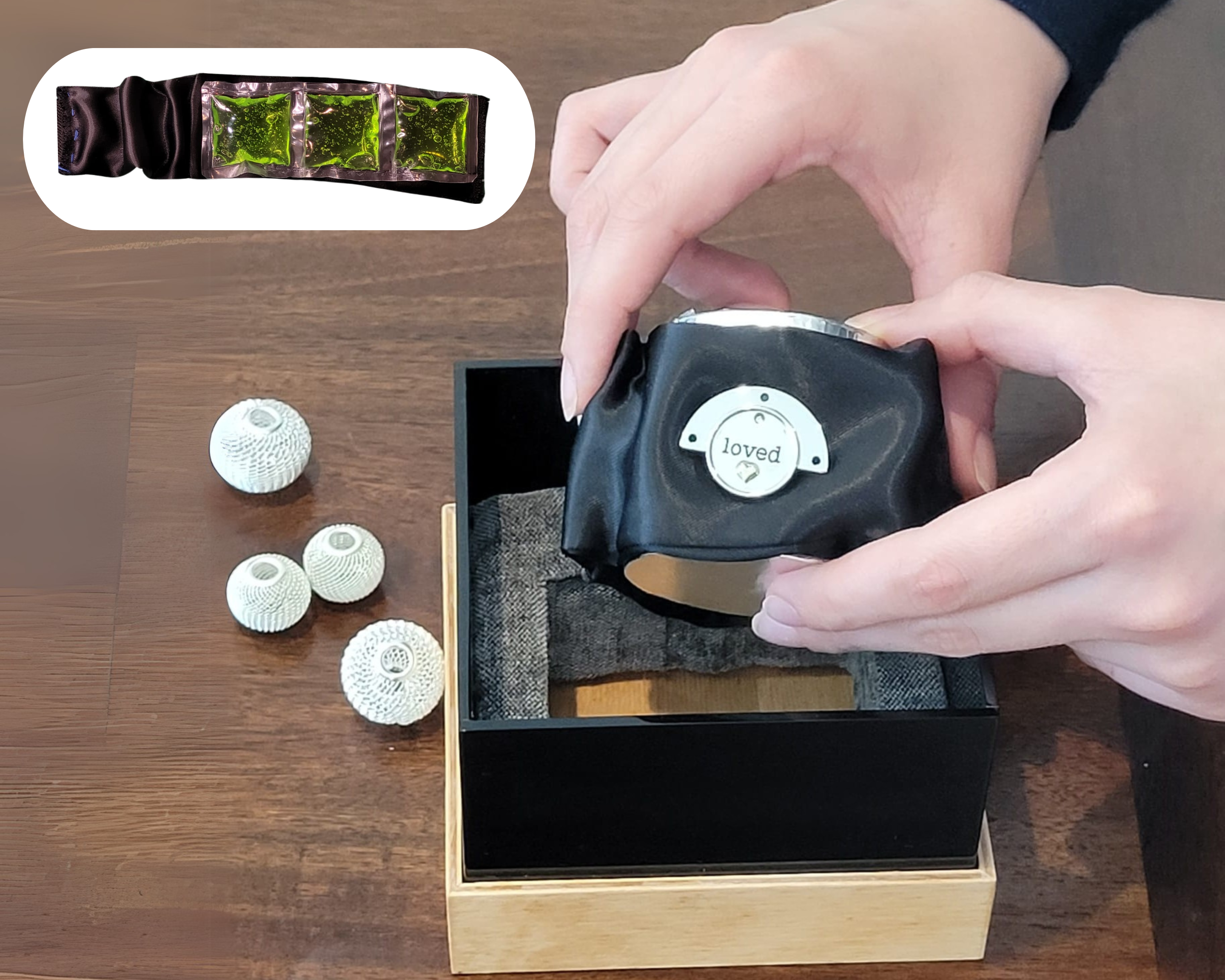
Medical-grade safety + continuous cooling effect + $28–30 cost + flexible comfort + affirmative charms = accessible solution. Hydrogel absorbs heat and provides instant relief from hot flashes, conforms to wrist shape, and can be frozen hundreds of times.
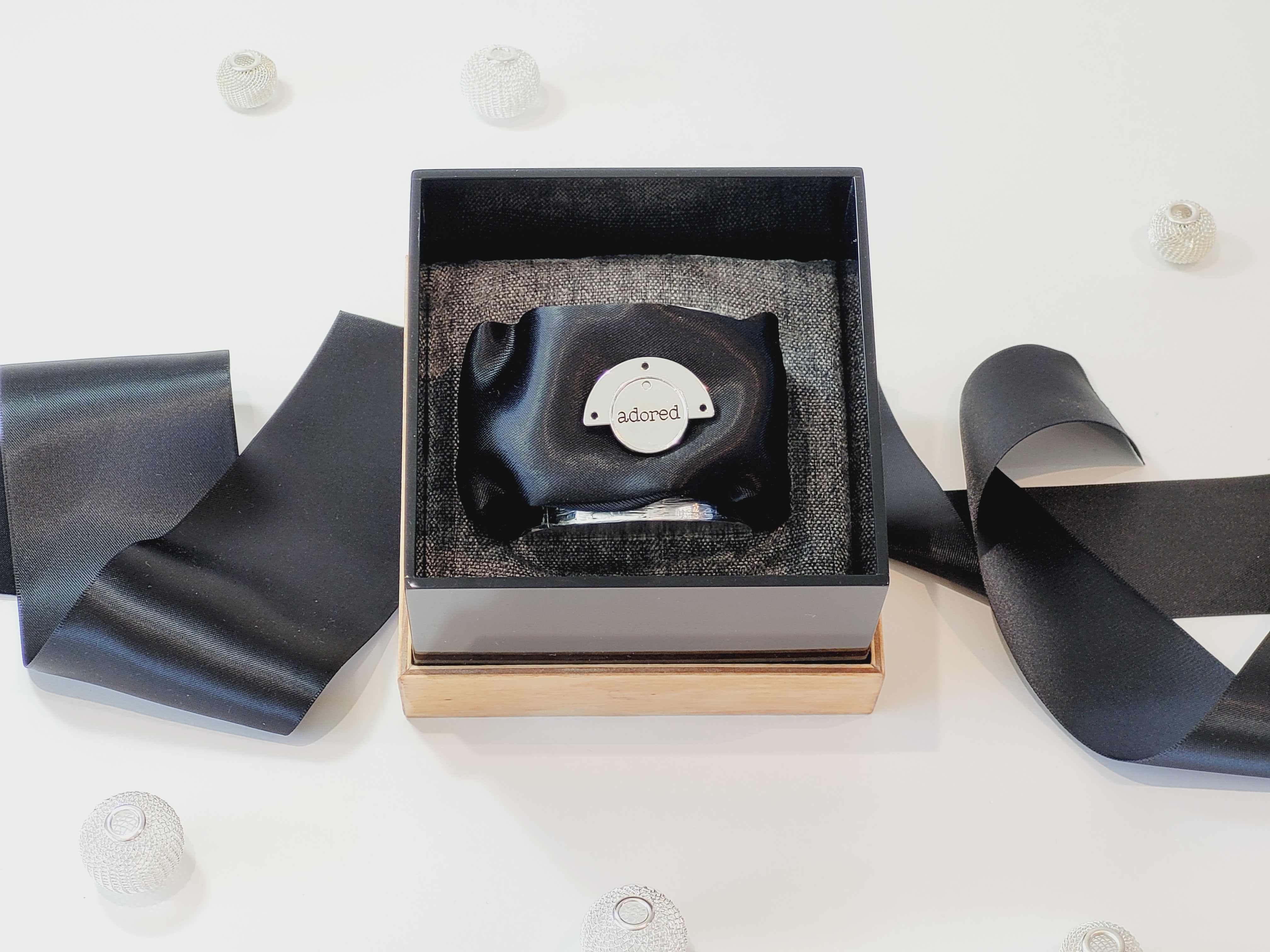
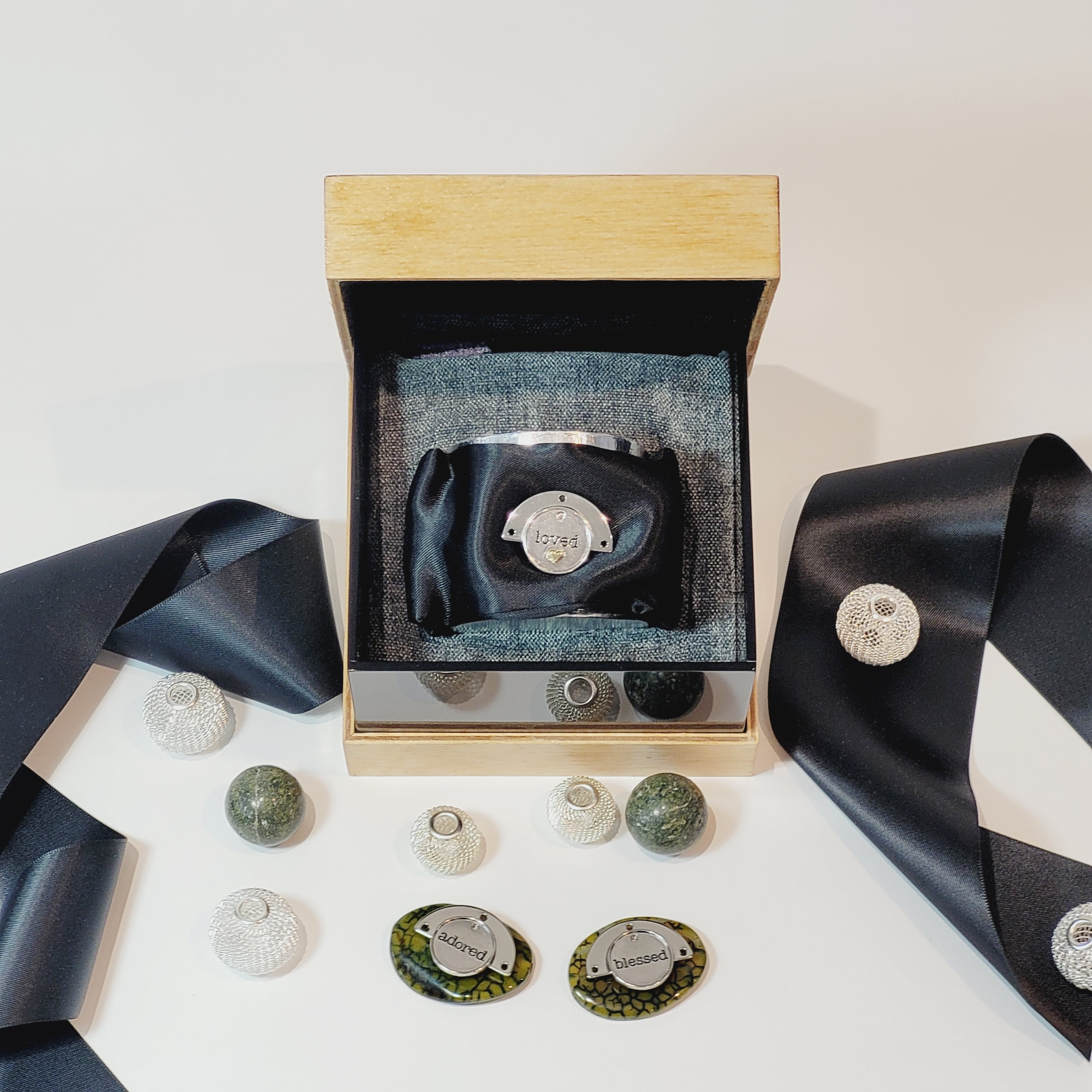
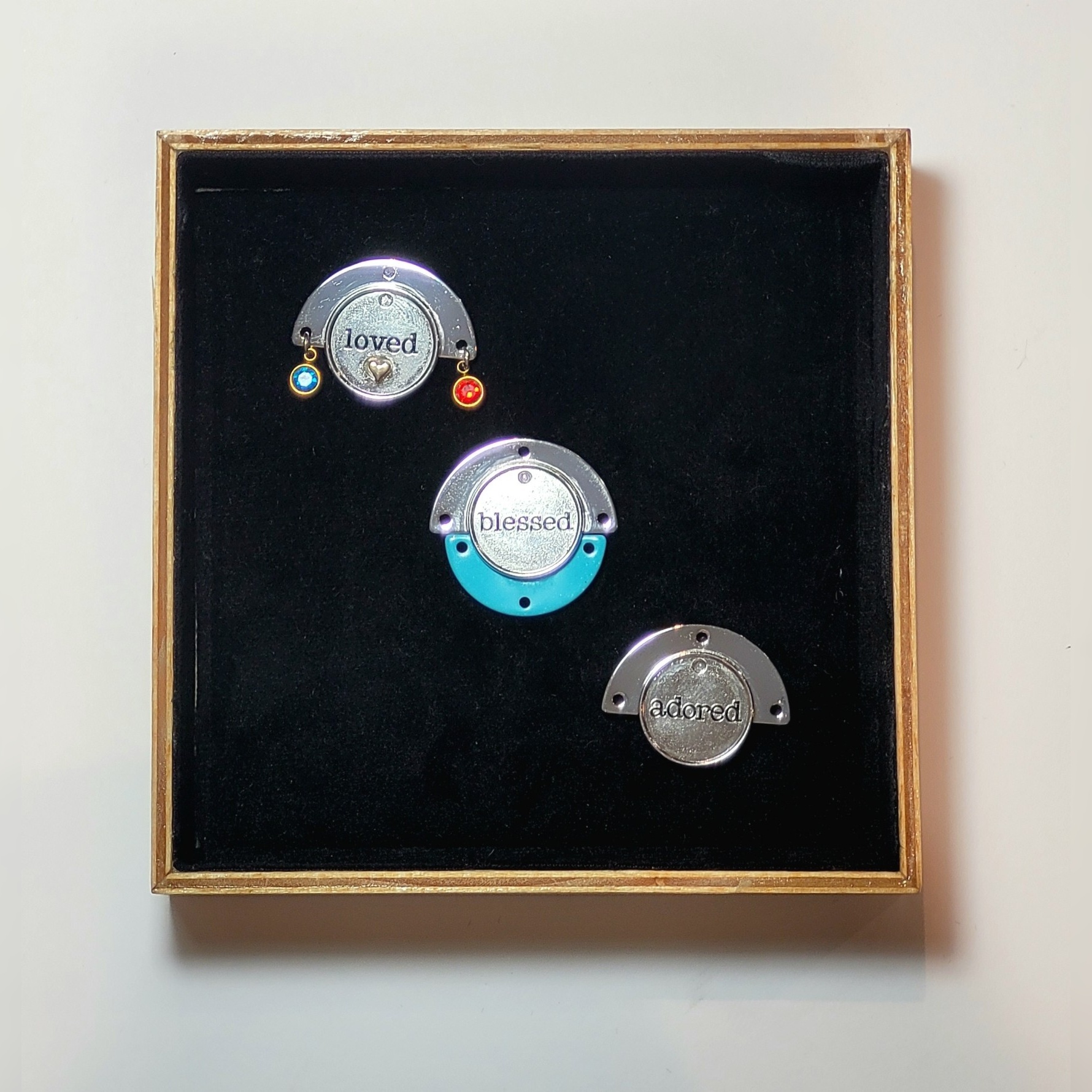
Each bracelet comes with three interchangeable charms engraved with "Blessed," "Adored," and "Loved," turning a medical device into a personal expression of identity, dignity, and emotional wellbeing.
Hydrogel Bracelet
$16.50Medical-grade hydrogel absorbs and retains cold. Soft, flexible satin fabric, along with affirmative charms, provides continuous cooling relief and discreet support.
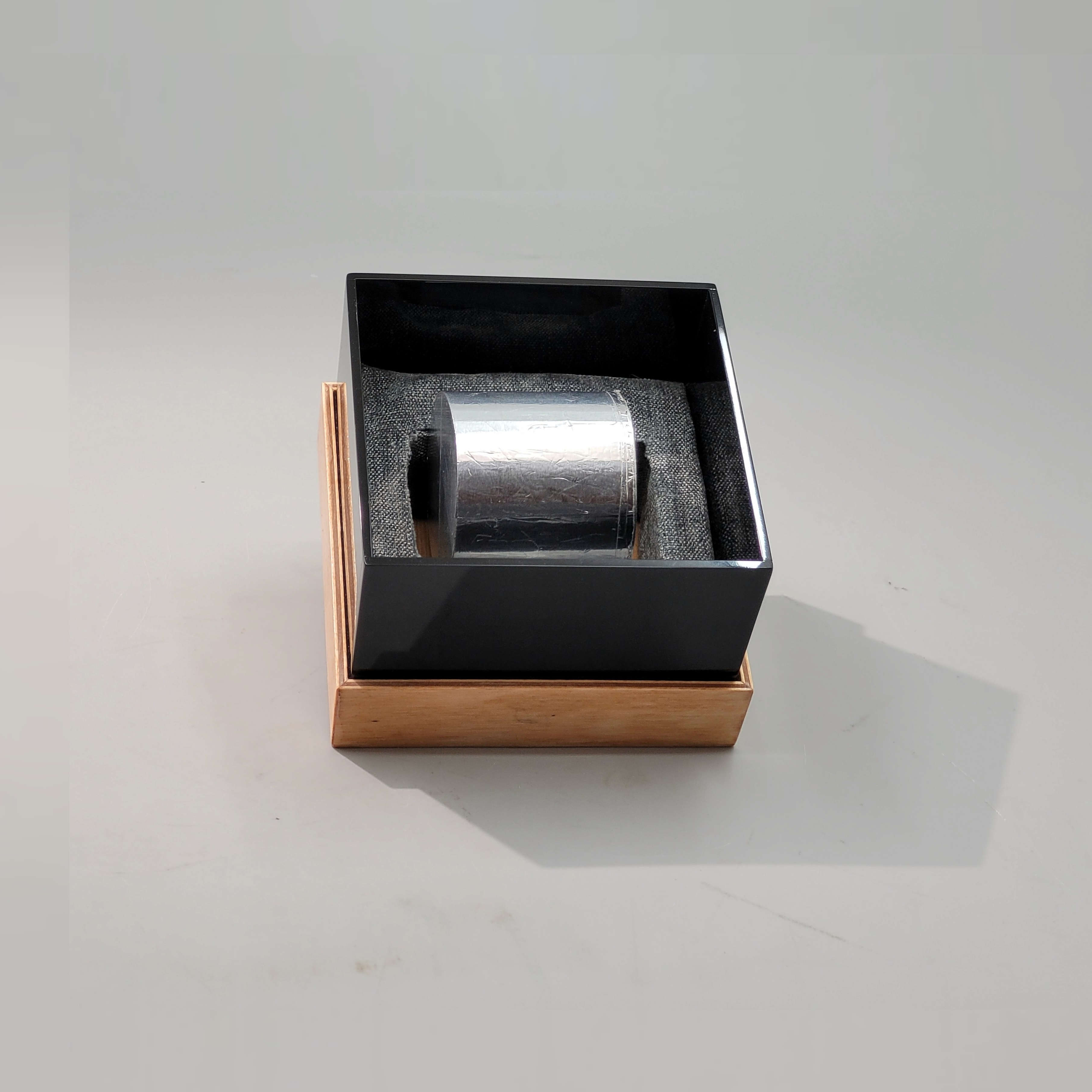
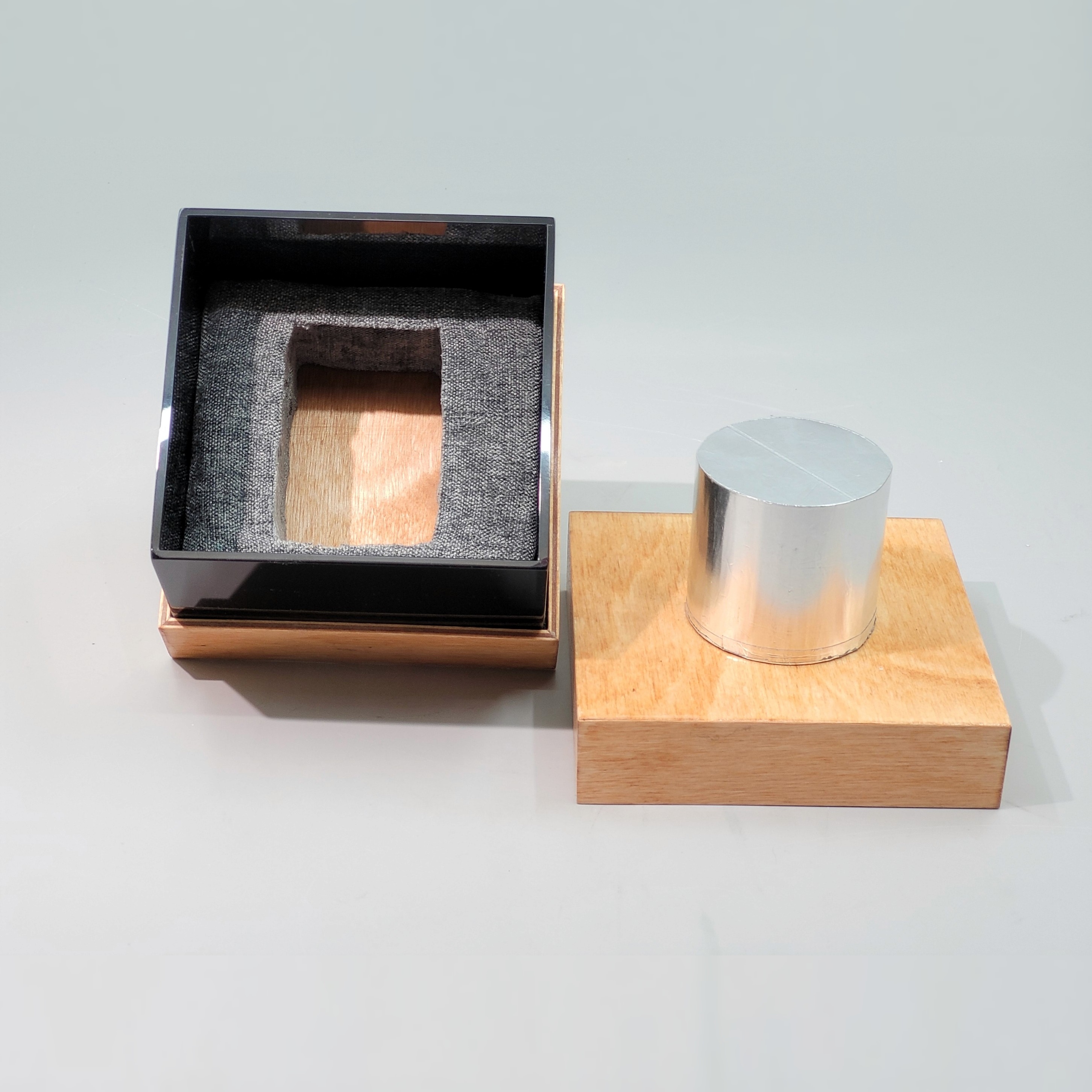
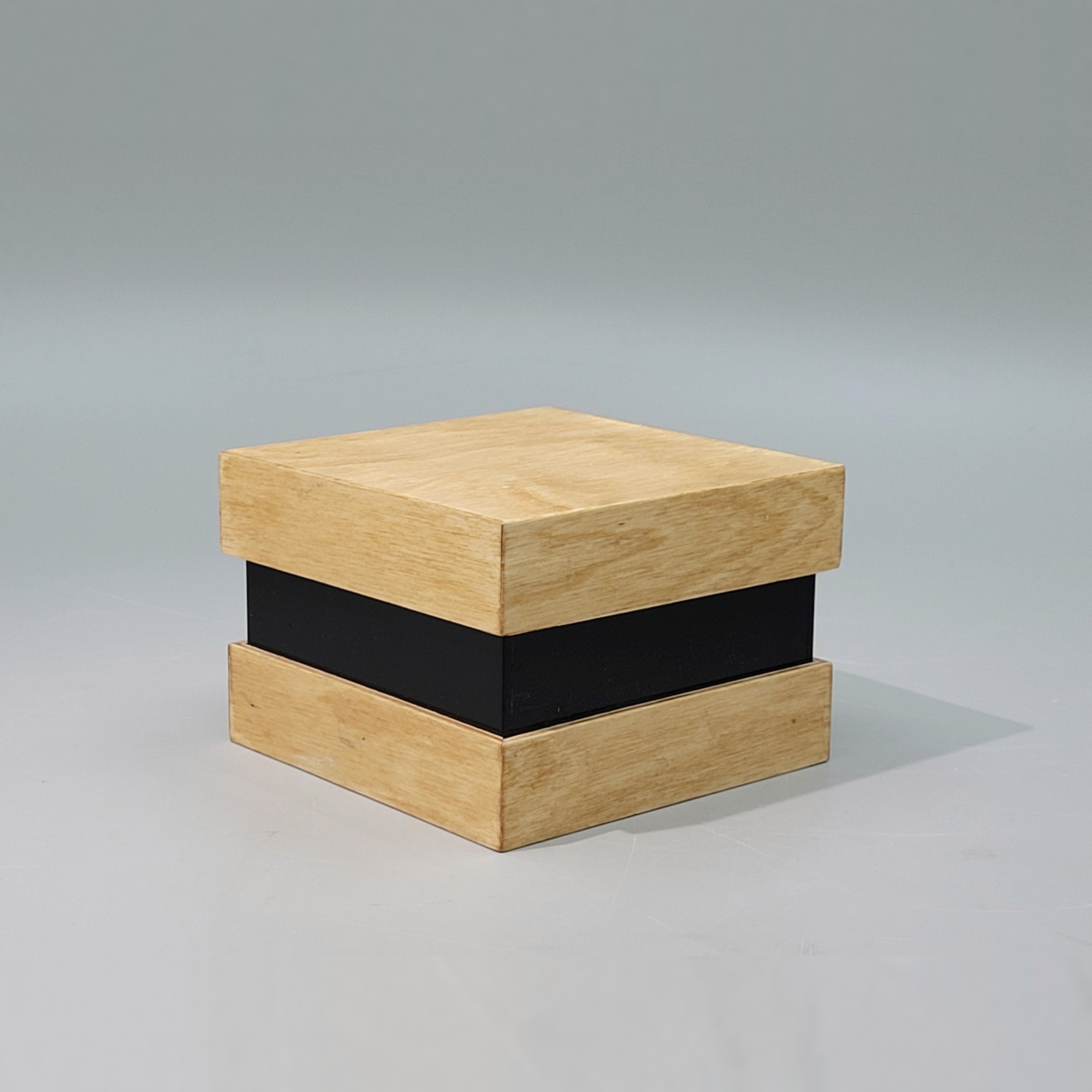
Cooling Box & Stainless Steel Cylinder
$11.50Portable storage container keeps bracelets cool on-the-go. Fits in purses and desk drawers for discreet mid-day swaps.
Affordable, accessible alternative to $200+ wearable tech solutions.
Each component was designed for dignity, discretion, and seamless integration into professional life. Below are the final product details.
Meet Nadia, a 47-year-old Project Manager based in Toronto, navigating perimenopause while managing a fast-paced career.
Preparing for the Day
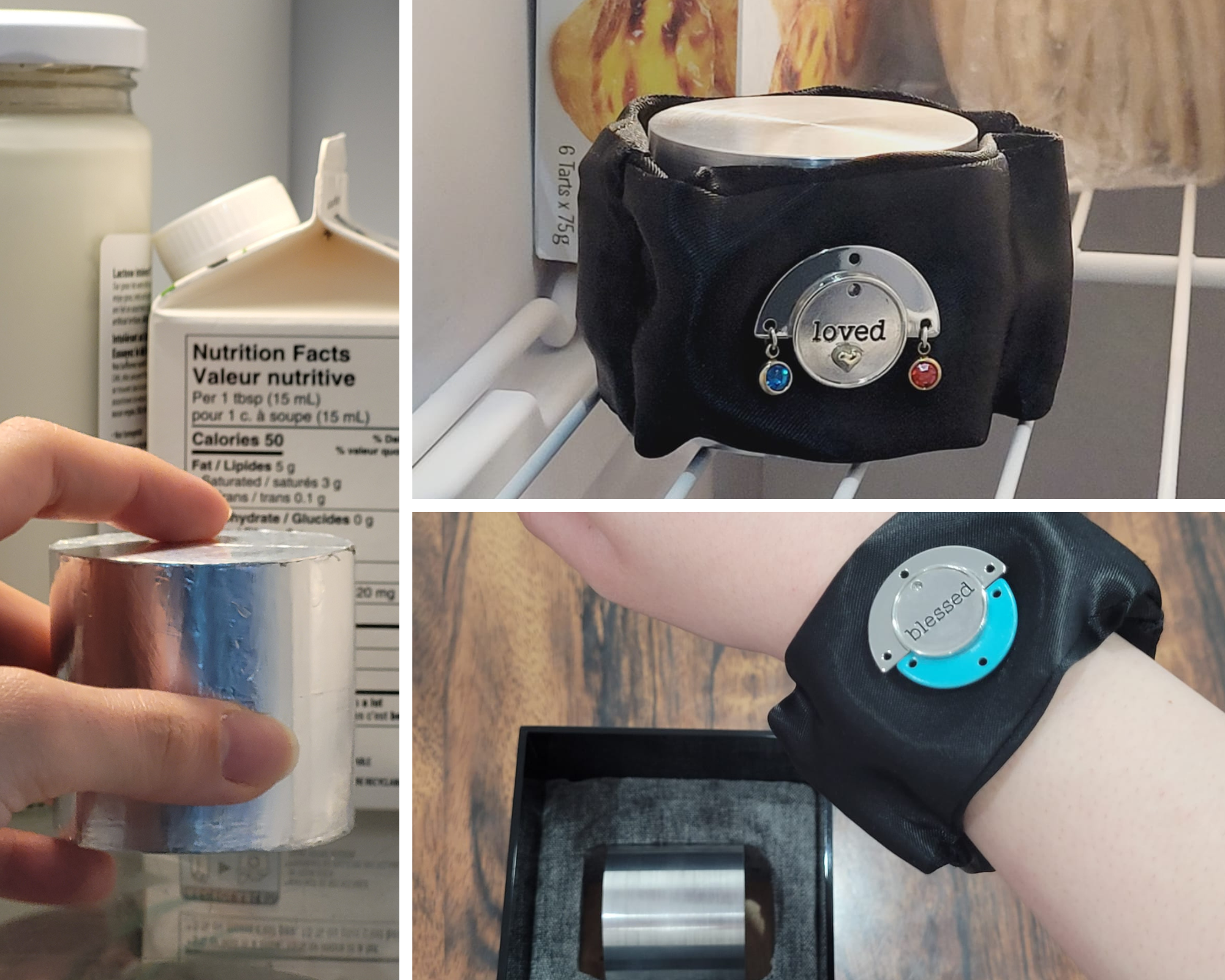
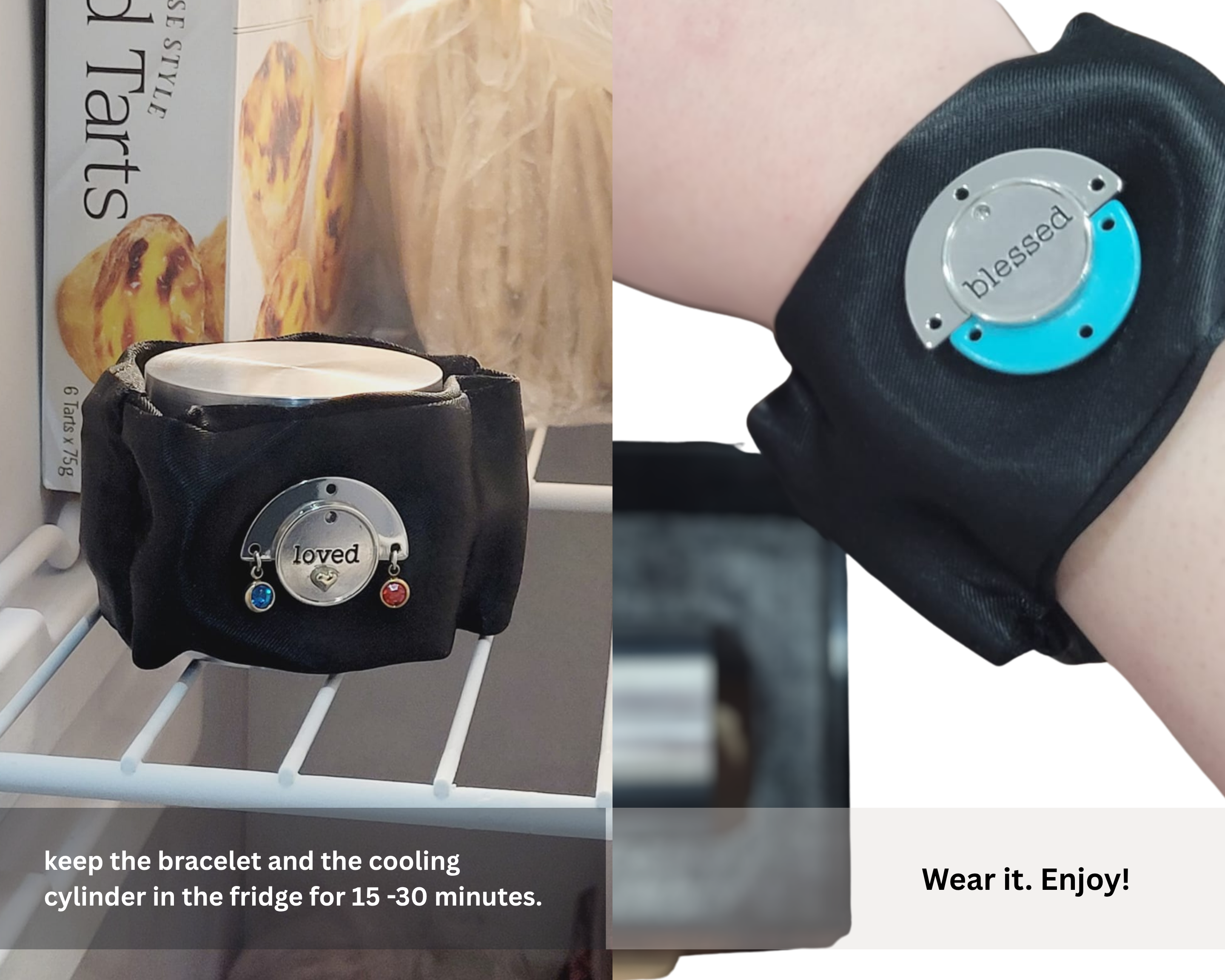
Nadia places the metal cooling cylinder in the fridge or freezer. She can wrap the Baanu bracelet around the cylinder before chilling it, so both cool together, or store them separately, either way, 15–30 minutes gets them to temperature before she starts her morning.
Bracelet Is Ready to Wear
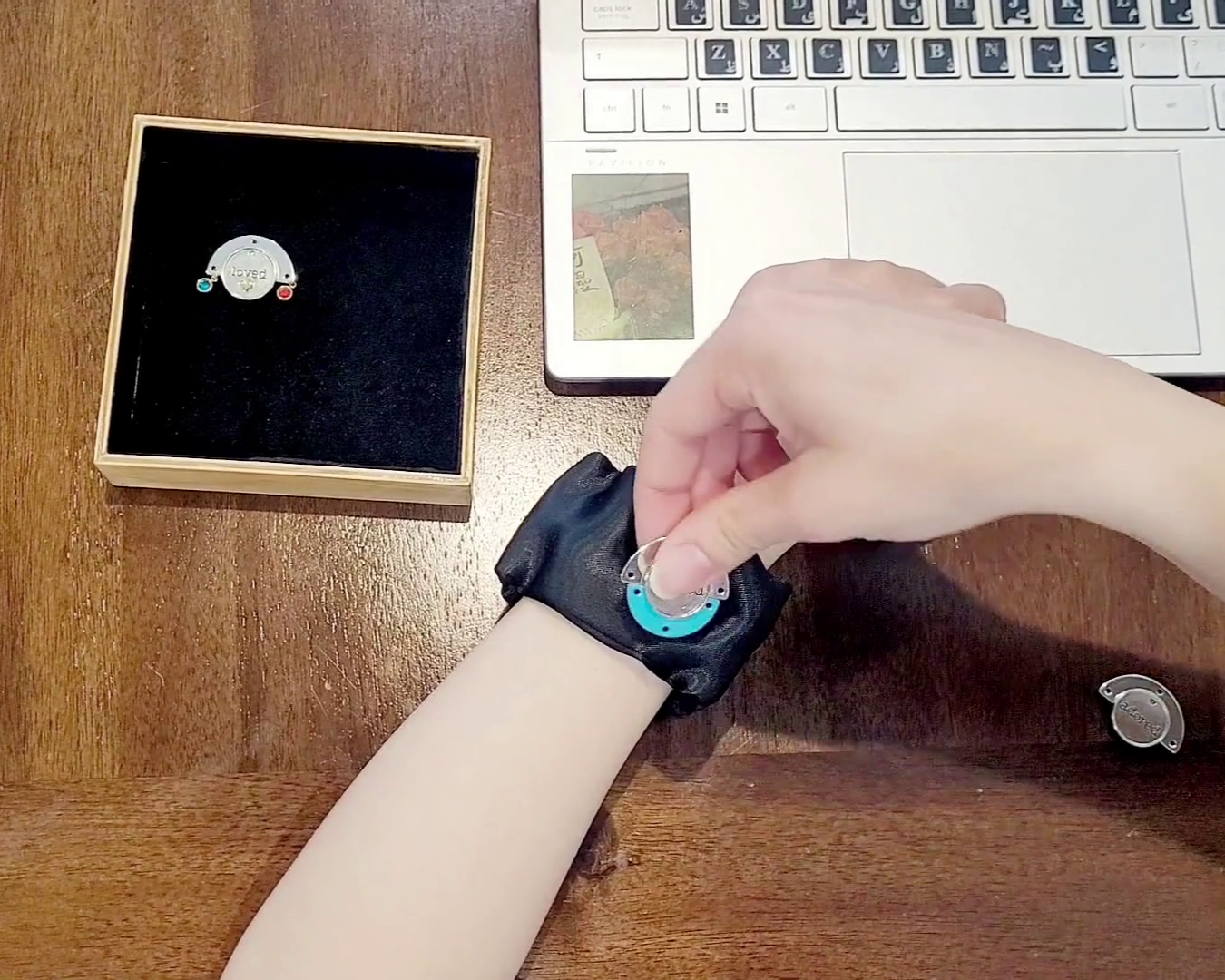
Once it's cold, Nadia picks one of three engraved charms, 'Blessed,' 'Adored,' or 'Loved,' before putting the bracelet on. It's a small, personal choice, not a functional one, but it's hers.
Wearing Baanu
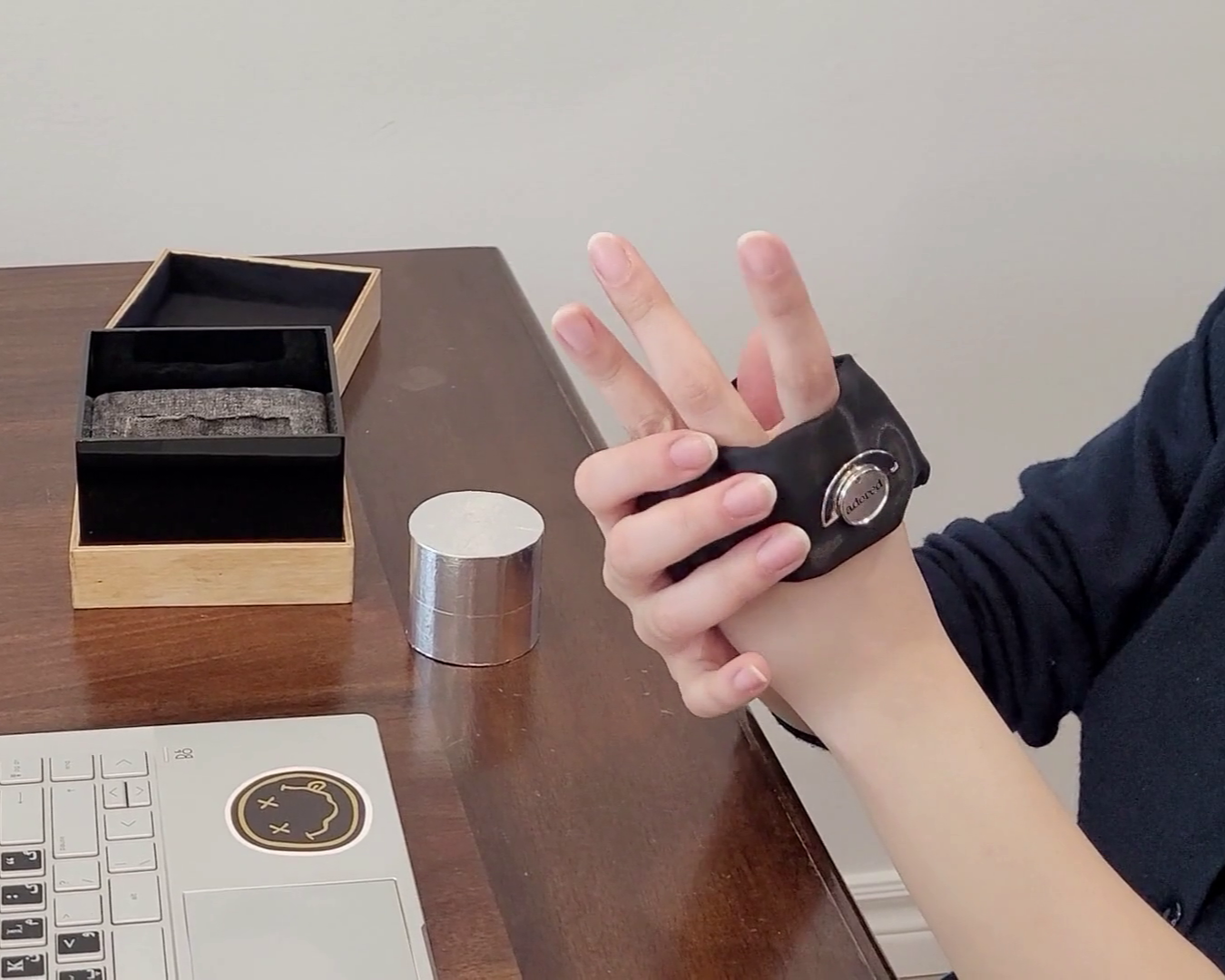
When a hot flash starts, Nadia already has the bracelet on. The cold against her wrist eases the heat within moments, fast enough that she can keep working instead of stepping away. The discreet design means she doesn't need to explain it, whether she's in a meeting or on the subway.
In Between Moments
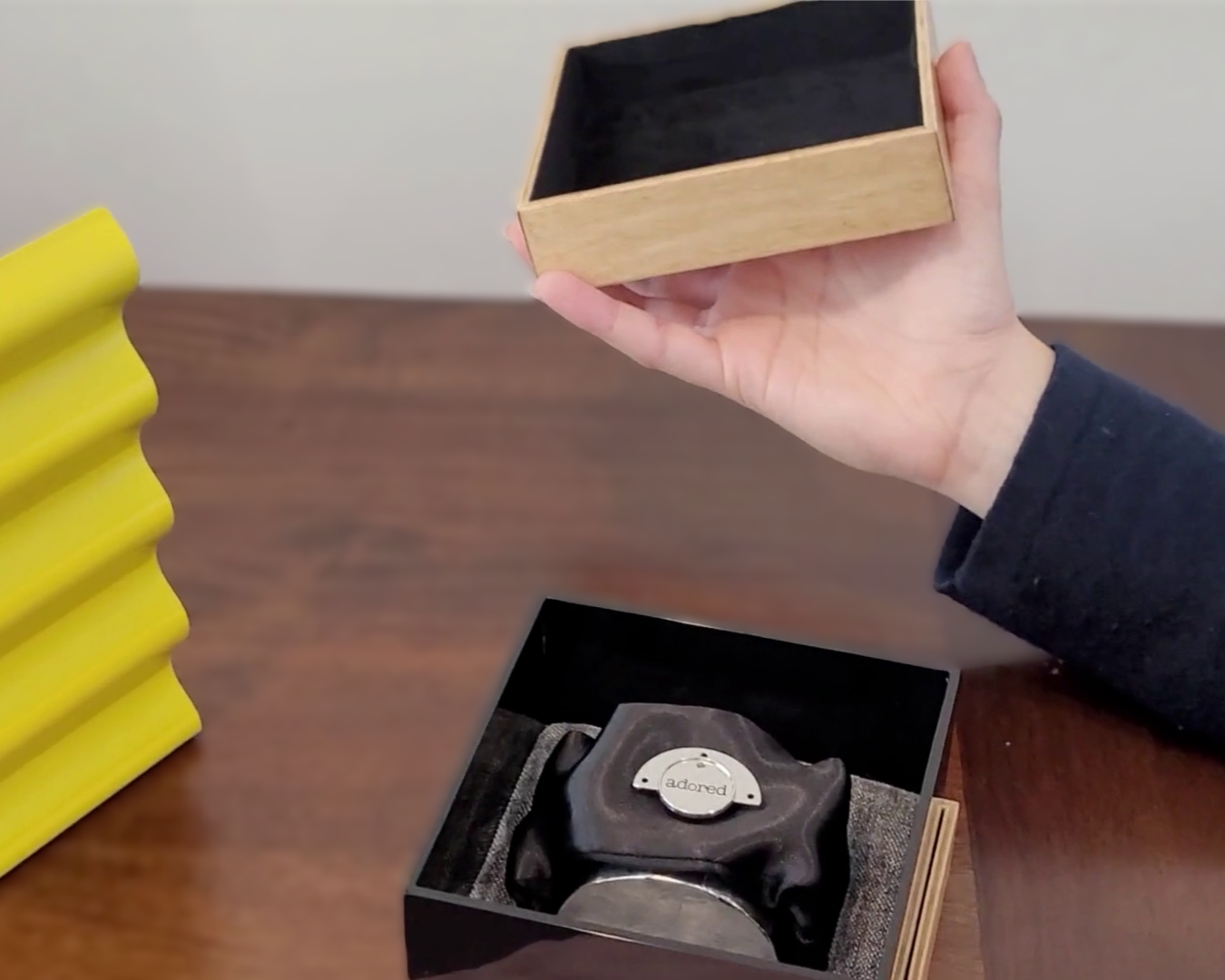
When she's not actively needing it, Nadia keeps the bracelet, still wrapped around the cylinder, in the cooling box at her desk. It holds its temperature for up to two hours, so she isn't tied to the freezer all day.
Recharging When Needed
If the cylinder warms up before she expects it to, Nadia puts it back in the fridge or freezer for another 15–30 minutes. It's a small interruption, not exactly a flaw, more the kind of habit anyone builds around something they use daily.
Branding
The Name: Baanu
Persian for "lady of wisdom."
Logo Symbolism
The Baanu logo pairs the name with a ring of seven circles and a triangle. The circles reflect the menstrual cycles of womanhood, puberty, fertility, and menopause; the triangle marks the shift into menopause and symbolizes a new beginning of a transformative phase. A chapter of wisdom, freedom, and earned confidence.
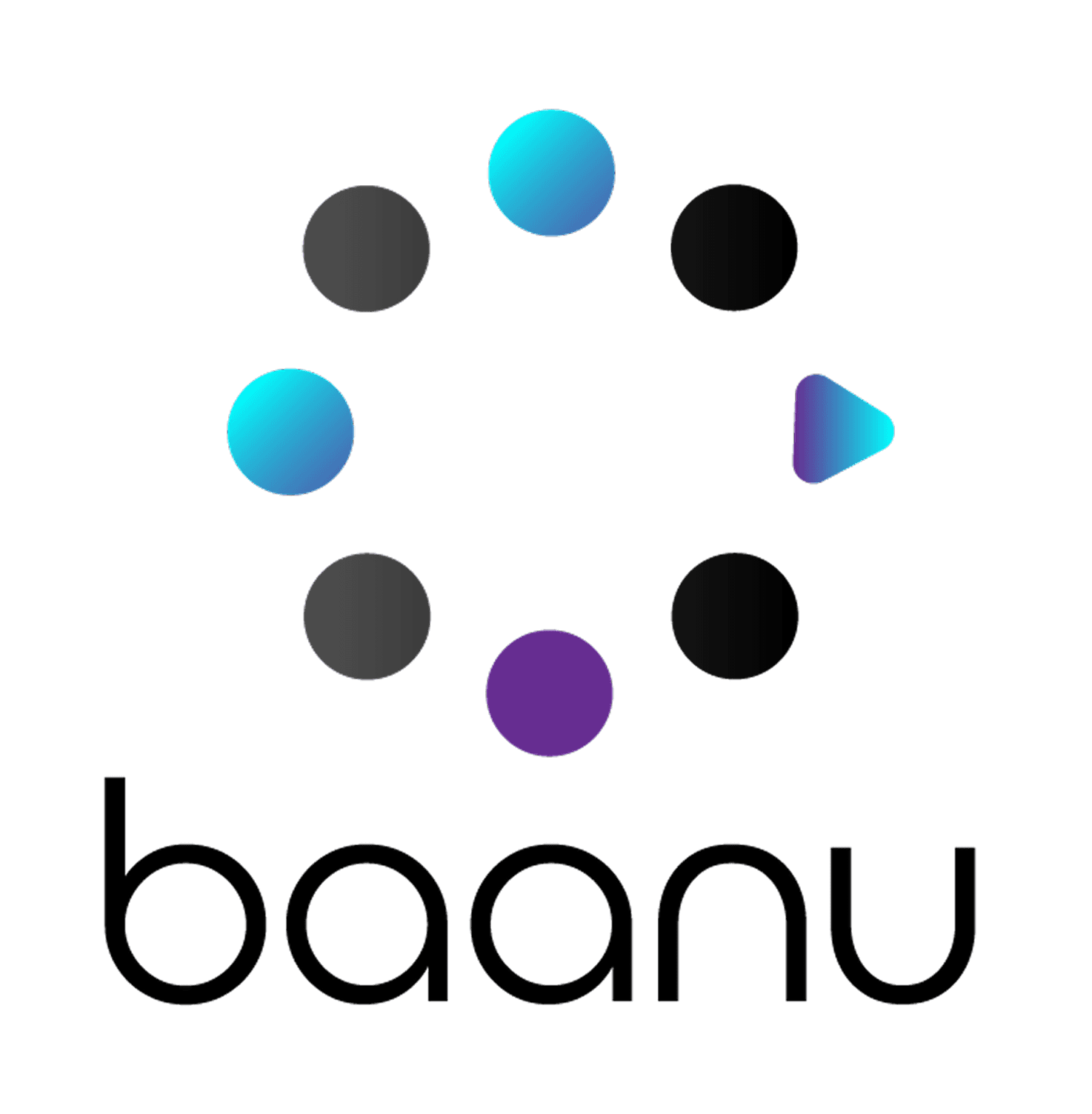
"Every design choice was intentional, from the Persian name to the circular logo. This isn't just a product; it's a statement that menopause deserves dignity, beauty, and cultural respect."
Impact & What's Next
Recognition
Baanu didn't stay in the studio. It earned its place in the world, recognized by institutions that understand what good design looks like.
Featured in Dezeen Magazine
One of the world's leading design publications covered Baanu as an example of innovation meeting human need.
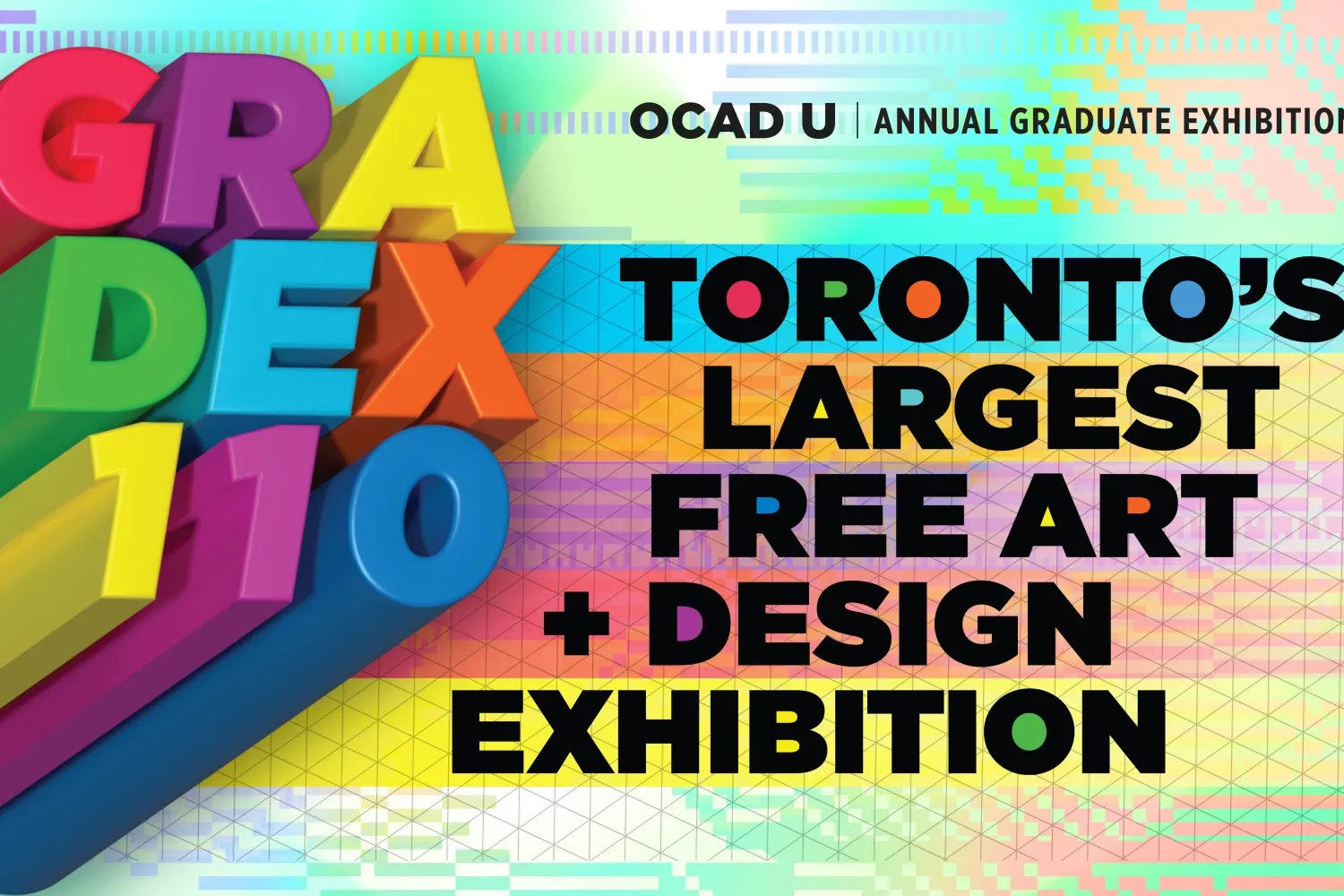
Exhibited at GradEx 110
Presented at OCAD University's graduate exhibition, among the most visible platforms for emerging design talent in Canada.
Good design without distribution stays on a shelf. This partnership strategy ensures Baanu reaches the women who need it.
Partnership Strategy: femography by MAS Holdings
A B2B2C model built for scale: MAS Holdings brings manufacturing expertise and retail distribution channels. femography brings the brand, the story, and the direct relationship with women.
This structure enables rapid scaling without sacrificing quality or pricing accessibility.
Baanu is not a finished idea. It's a platform. Each version gets closer to the woman who needs it most.
Version 1.0
CompleteHydrogel System
Core 3-part ecosystem (bracelet + cylinder + box). Medical-grade hydrogel for continuous cooling. Validated through 21 user interviews.
Version 2.0
In ProgressModular Charms
V1 includes three signature charms (Loved, Blessed, Adored) already integrated. V2 expands personalization with culturally-specific charms and character designs, allowing women to customize with symbols meaningful to their heritage and identity.
Version 3.0
PlannedPortable Case
Travel-size cooling case for on-the-go lifestyle. Compact design fits in carry-on luggage, maintains cold for 8+ hours.
The Vision
"If Baanu is in every drugstore, women won't have to choose between dignity and relief."
The goal was never just a product. It was to shift how society sees menopause.
From silence and stigma to conversation and solutions. When a woman can manage hot flashes discreetly in a board meeting, when a $28 solution exists instead of silence, when menopause is designed for rather than whispered about, that's when cultural change happens. This is what it looks like when empathy becomes a design brief.
The Legacy
Baanu proves that empathy-driven design can transform overlooked problems into accessible solutions.
The brief was a cooling bracelet. The real brief was: make menopause something a woman can simply live through, without apology, without concealment. That distinction is where the design actually started.
Thanks for reading. Here's more of my work.
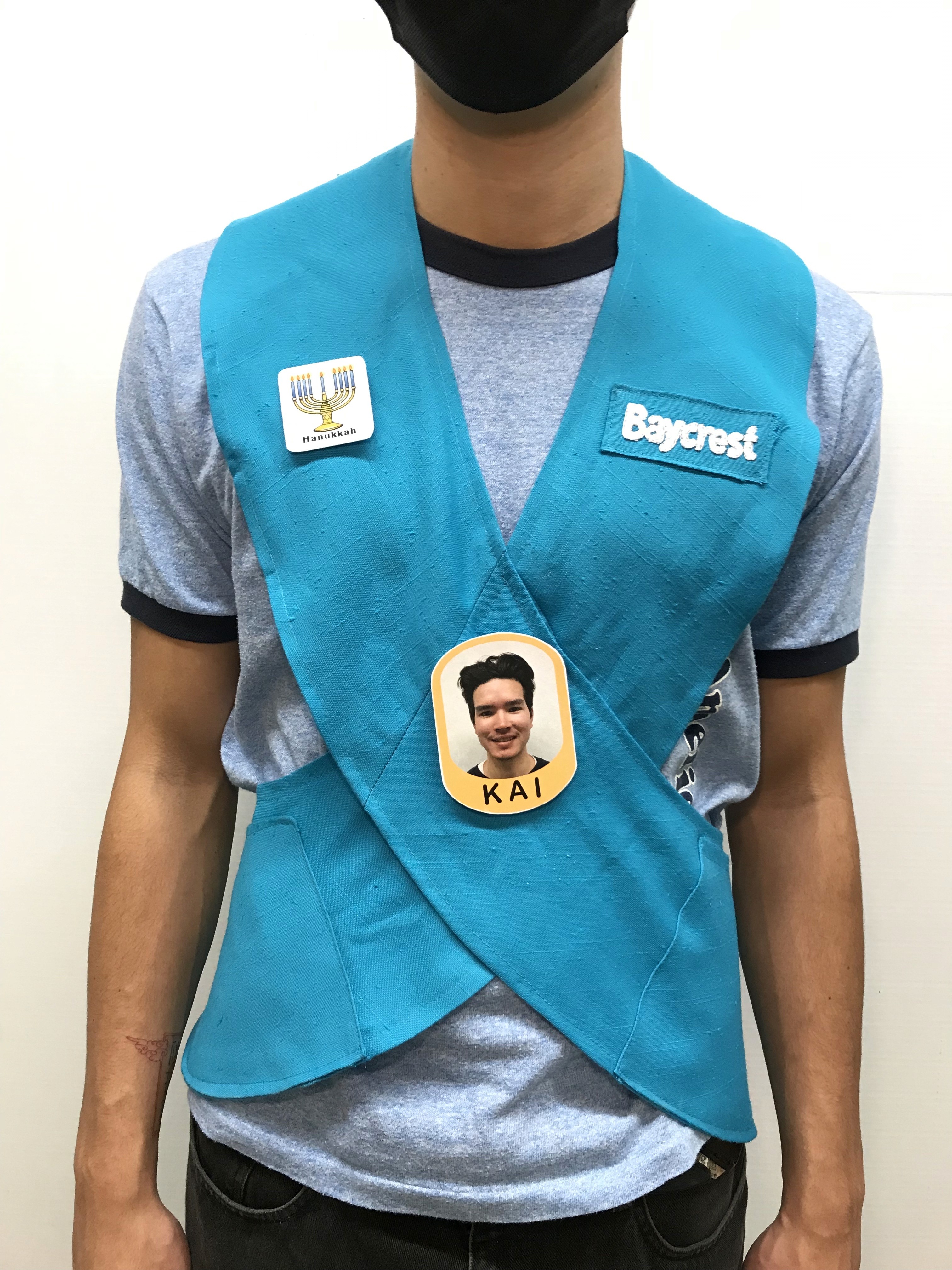
A wearable that closes the gap between dementia patients and their caregivers.
Designed for dignity, presence, and human connection in the most vulnerable moments of life, this caregiver's vest creates common ground between people living with dementia and those who care for them.
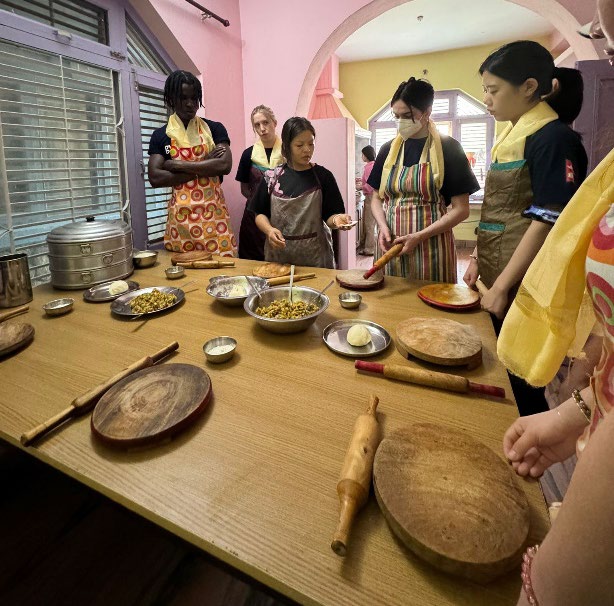
Women once silenced by trafficking now give travellers a taste of Nepal.
This project explores how Nepali culture can help SASANE's cooking class stand out and support the organization financially.