I speak fluent human.
I think in systems.
I design services and products for health and care, grounded in research with the people who live them. I do my best work where what people need and what an organization can sustain pull in different directions.

Selected Work
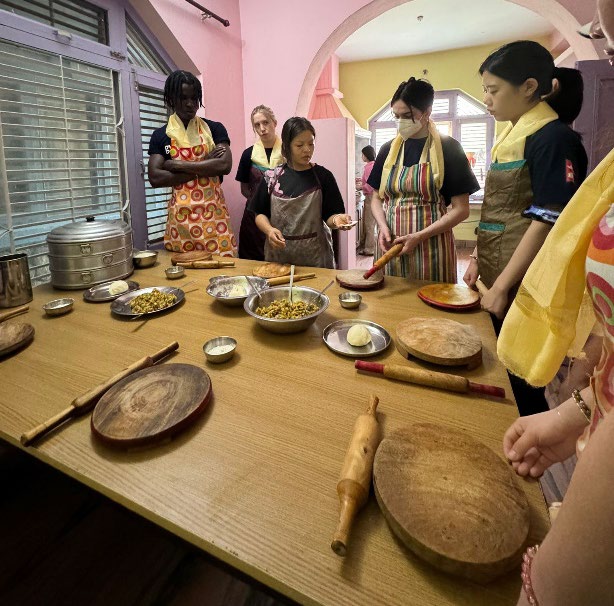
Women once silenced by trafficking now give travellers a taste of Nepal.
SASANE needed its cooking class to earn more, but it matched competitors on price and logistics. My competitor research and a stakeholder workshop I co-facilitated, built around a floor-plan model, pointed to Nepali culture as what could set it apart.
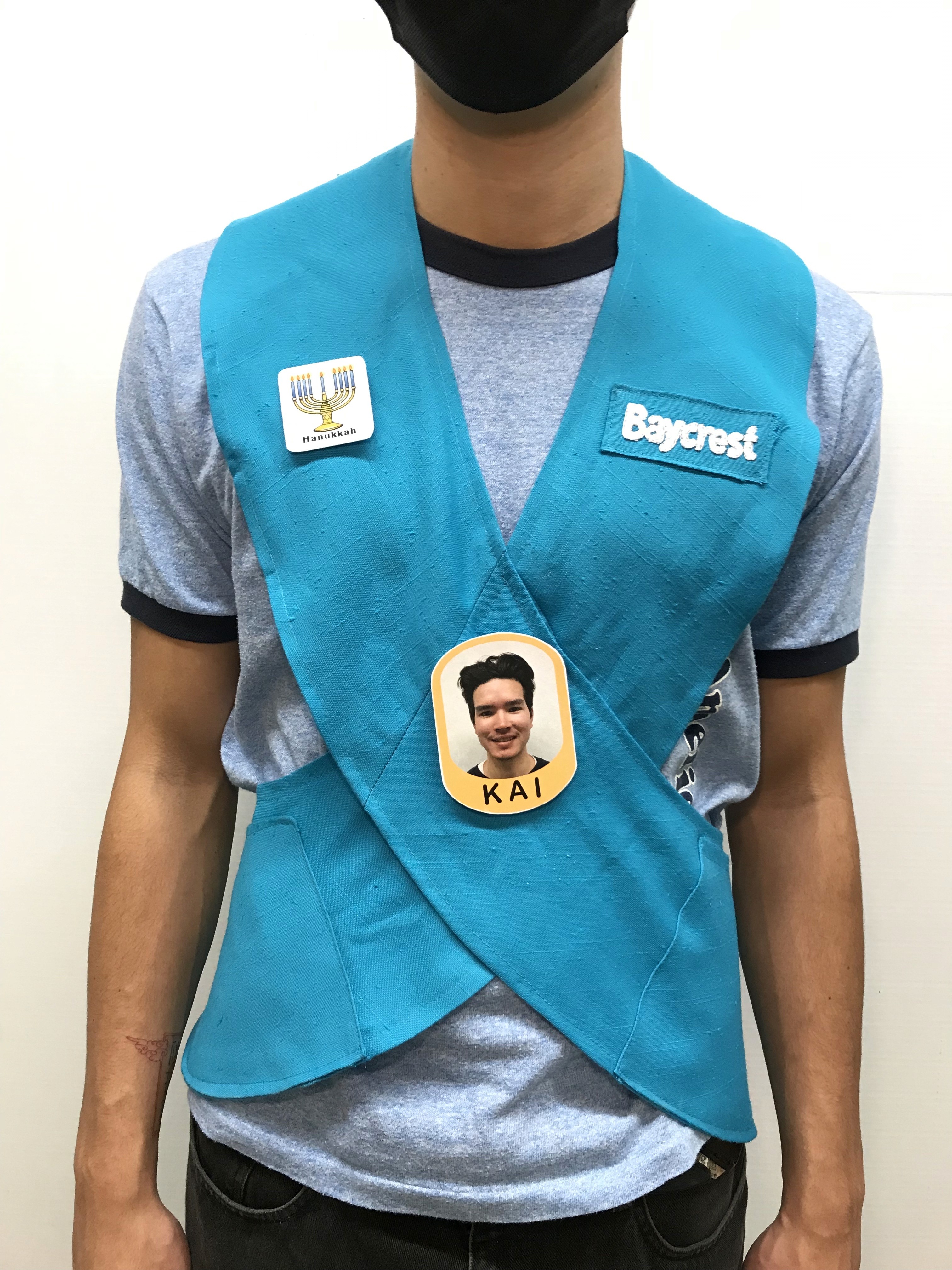
A wearable that closes the gap between dementia patients and their caregivers.
Residents with dementia couldn't recognize masked caregivers, and caregivers were losing their sense of self on shift. The vest, and the daily ritual around it, were designed so both people can meet on common ground.
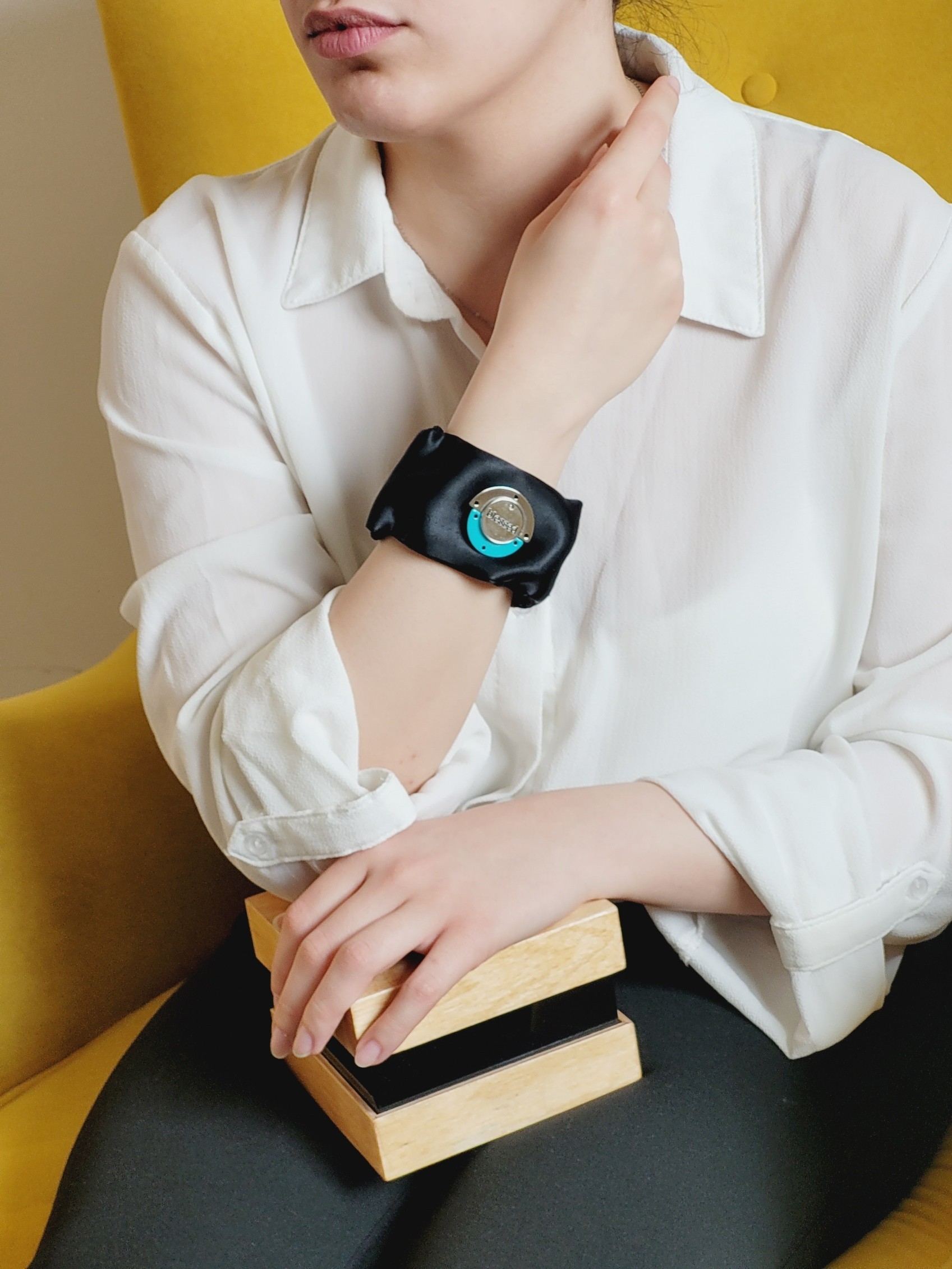
Breaking barriers in menopause care.
Hot flashes strike without warning, in meetings and in public. After 20+ interviews and 13 material prototypes, I designed a $28 cooling bracelet that reads as jewelry, not medicine.
Service Design
Design Research
Product Design
Strategy
Tools
I design systems that absorb complexity, so people don't have to carry it alone.
I trained as an industrial designer and moved toward service design, because the problems I cared about were never only about the object. They were about the people using it and the systems around them. Before design, I spent more than a decade in accounting, so I always ask one more question: can this actually last in real life?
Read my full story ↗